
What Is Hotel Digital Marketing
Imagine you’re running a charming hotel near the ocean. These days, your guests probably found you through their smartphones, Google searches, or by scrolling on social media. That’s where hotel digital marketing steps in—it’s how you put your hotel on the digital map and attract those future guests at just the right moment.
Digital marketing is important for hotels because the shift from traditional to digital channels has transformed how travelers discover and book accommodations. A strong digital presence directly impacts bookings and enhances your hotel’s brand visibility.
Hotel digital marketing means using online platforms to make your property visible, engaging, and irresistible to travelers. Within the broader travel industry—which was an early adopter of digital marketing—hotels and accommodations rely on these strategies to attract online travelers and boost bookings. Instead of relying solely on travel agents or walk-ins, you use tools like search engines, paid ads, email, and social media to connect with people where they’re already spending their time. Developing a comprehensive hotel online marketing strategy involves defining your target audiences, setting clear goals, and choosing the right marketing channels to maximize results.
Here are a few core areas you’ll use:

- Website and SEO: Your hotel’s website is your digital welcome mat. Optimizing it for search engines helps your hotel show up when travelers hunt for a place to stay.
- Paid Advertising: Platforms like Google Ads and Facebook let you reach potential guests directly with targeted campaigns.
- Social Media: Sharing photos, guest stories, and promos on Instagram or Facebook builds relationships and sparks interest.
- Email Campaigns: Sending newsletters or special offers keeps your hotel top-of-mind for both past and future guests.
- Hotel Internet Marketing: This umbrella term covers integrating multiple digital channels—like SEO, social media, and content marketing—to boost bookings and strengthen your brand reputation.
When you bring these tools together, you create a digital presence that keeps your hotel inviting and accessible to modern travelers. Online visibility is crucial, and leveraging digital marketing channels ensures your hotel stands out to potential guests searching for their next stay.
More readings on digital marketing for other niche fields:
Medical SEO: All Essential StepsE-commerce SEO: How to Optimize E-Commerce Store for Success
The Importance of Hotel Digital Marketing Strategies

If you’ve ever wondered why digital marketing seems to be the heartbeat of hotel promotion, here’s the answer: your guests are online, and so must you be. In the hotel industry, digital marketing is essential for navigating a competitive and dynamic environment, helping hotels stand out and reach potential guests effectively.
The competition in hospitality grows stronger every day. Having a well-designed digital marketing strategy is no longer optional; it’s the core of any hotel’s growth playbook. You need a way to reach guests where they spend most of their time—on search engines, social media, and booking platforms.
Let’s break it down with a quick list:
- Wider Reach: Digital marketing helps your hotel connect with guests from all corners of the globe.
- Personalization: You can tailor offers to specific guest interests and past behaviors.
- Efficiency & ROI: Precise targeting means your marketing budget stretches further.
- Reputation Management: Positive reviews and engaging content boost your credibility online.
These strategies are designed to increase visibility for hotels, ensuring your property stands out to more potential guests online.
A key benefit of digital marketing is enhanced brand visibility, which helps attract more direct bookings and strengthens your hotel’s online presence.
Your marketing efforts also set your hotel apart in a sea of sameness. I learned early in my own journey that unique digital campaigns—think virtual tours or targeted Instagram stories—aren’t just nice-to-have. They turn browsers into happy guests, and happy guests into loyal fans.
Implementing the right digital marketing strategies means you meet potential guests at each stage of their journey. Whether they’re daydreaming about their next escape or ready to book now, your hotel becomes the irresistible choice. Businesses in the hospitality sector benefit greatly from these strategies, using them to attract and engage guests, boost bookings, and increase revenue.
Creating a Digital Marketing Plan

Creating a digital marketing plan is the foundation of any successful hotel digital marketing strategy. Think of it as your hotel’s roadmap to reaching the right guests, increasing direct bookings, and maximizing revenue—all while making the most of your marketing budget.
Start by clearly defining your target market. Who are your ideal guests? Are they business travelers, families, couples, or adventure seekers? Understanding your target audience’s needs, preferences, and booking habits is essential for crafting messages and offers that truly resonate. Use guest data, online reviews, and market research to build detailed guest profiles.
Next, set specific goals for your digital marketing efforts. Do you want to boost direct bookings by 20% this year? Increase your hotel’s digital presence in a new market? Or perhaps improve your online reputation with more positive reviews? Clear objectives help you measure success and adjust your marketing strategy as needed.
With your goals in place, outline the key marketing strategies and digital marketing tools you’ll use. This might include search engine optimization for your hotel website, targeted advertising on social media platforms, engaging content marketing, and personalized email campaigns. Each tactic should be chosen based on where your potential guests spend their time online and what will move them along the booking process.
Finally, set a timeline and budget for your digital marketing plan. Assign responsibilities to your team, and schedule regular check-ins to review performance and make improvements. Remember, a strong hotel digital marketing strategy is never set in stone—it evolves as you learn more about your guests and the market.
By taking the time to create a thoughtful digital marketing plan, your hotel can stand out in a crowded hospitality industry, attract more of the right guests, and turn your marketing efforts into real, measurable revenue.
Proven Hotel Digital Marketing Strategies That Work
Digital marketing can make or break hotel performance. If you want to see real results, focus on strategies that repeatedly deliver strong bookings and guest engagement.
Here are some strategies you can consider:
Strategy 1: Analyzing the Target Market and Competitors
Before making your hotel stand out online, you need to really know who you’re trying to attract. Understanding your target audience is crucial when developing a hotel digital marketing strategy—identify their needs, preferences, and what motivates them to book. Start by asking yourself questions like, “Does my ideal guest crave upscale amenities, or are they looking for unbeatable value?” Use tools like surveys, feedback forms, or data analytics platforms to uncover your guests’ preferences—these gems will reveal patterns you may not expect.
Once you have a clear understanding of your audience, it’s time to peek over the fence at your competitors. Look at their pricing, target markets, locations, amenities, and even their guest reviews.
By mapping out these details, you can better position your hotel, highlight what makes you unique, and address untapped opportunities in your market. If you really understand both your potential guests and your competition, crafting more effective marketing messages gets much easier. These steps are essential for reaching your target audience, attracting potential customers, and ultimately driving the success of your hotel business. You’ll not only reach more of the right people, but you’ll also offer experiences that truly stand out.
Strategy 2: Optimizing Content for Different Platforms
When you create content for your hotel, think of each marketing platform as its own unique room that needs to be decorated just right. Instagram may crave bright photos and pithy captions, while your website calls for detailed descriptions and crisp videos. I’ve found firsthand that engagement soars when you tailor your posts to fit the mood and requirements of each channel. Engaging guests at different touchpoints across various content channels is crucial for maximizing your reach and impact.
It’s essential to adjust the length, formatting, and even the type of content you share. Creating relevant content tailored to each platform helps ensure your message resonates with your audience. Short, catchy videos work well on social media like TikTok, while longer blog articles help your site’s SEO and offer valuable travel tips to your guests. Consider the customer journey and map your content to different stages, so you can effectively nurture relationships and guide guests toward booking. Matching content with a platform’s strengths ensures that your marketing not only reaches your audience but actually resonates with them.
Here’s a quick reference table you can use:

By embracing this approach, you’ll find your messaging is clear, impactful, and more likely to drive direct bookings. Tailoring content to each platform is a key part of an effective hotel digital marketing strategy.
Strategy 3: Creating Engaging Content
Creating engaging content is one of the most effective ways to connect with potential guests and keep your hotel top of mind. When you share genuine stories, captivating photos, or helpful tips, you invite future travelers to picture themselves at your property. I’ve found that a well-crafted blog post or a beautiful Instagram reel can inspire bookings in ways that traditional ads often can’t. Engaging content should also be a core part of your marketing campaigns, helping to attract and engage your target audience across multiple platforms.
Mix up your content—don’t rely on just words or photos. Try quick how-to videos, fun behind-the-scenes snapshots, or interactive polls on social media. Here’s a simple table of content ideas you might use:
Content Type
Example
Blog Post
“Top 5 Hidden Gems Near Our Hotel”
Social Graphic
Eye-catching poolside photo
Video
Guest testimonials or room tours
Be consistent, but never boring—keep your audience guessing what’s next. Engage directly by answering comments, sharing guest experiences, and tailoring content to highlight what makes your hotel special. Encourage guests to leave glowing reviews by sharing their positive experiences through your content. The more interactive and authentic you are, the more likely guests are to book directly, return for future stays, and become brand advocates.
Strategy 4: Use Email Marketing
Email marketing is one of the most powerful digital tools at your disposal for staying in touch with both past guests and future visitors. It is an essential strategy for hotels, enabling direct engagement, building customer loyalty, and driving repeat business. By building a list of interested subscribers, you can deliver special offers, important updates, and exclusive experiences right to their inboxes. This direct communication helps nurture relationships and keeps your hotel top-of-mind, even between stays.
To make your email marketing effective, start by making it easy for guests to subscribe on your website. Offer enticing incentives, such as exclusive discounts, early access to packages, or enrollment in loyalty programs to encourage repeat business and sign-ups. I’ve seen hotels double their email list size just by adding a clear sign-up pop-up and promising a free welcome drink upon arrival—small touches make a big difference!
Craft your emails to be short, visually appealing, and relevant to your guests’ interests. Use segmentation so that business travelers receive different messages than vacationing families. Here’s a quick list to guide your campaigns:
- Personalize messages with the guest’s name and previous stay details.
- Highlight promotions and local attractions.
- Include clear calls-to-action for easy booking.
Strategy 5: Measuring Campaign Success
Tracking the impact of your hotel’s digital marketing efforts is more than checking a few numbers; it’s how you learn what makes your guests tick. By focusing on key metrics like open rates, click-through rates (CTR), and conversion rates, you can identify where your campaigns shine and where they need a gentle tweak. Measuring these results helps you pinpoint key areas for improvement, ensuring your strategies address the most critical aspects of your marketing. Imagine learning what subject lines or designs turn curiosity into bookings—it’s like having a magic mirror that reflects your guests’ true interests.
Consider using a simple table to organize your findings:

Using these insights isn’t just a numbers game—it’s about fine-tuning your messaging and design to meet the needs of future guests. As you adjust your approach, you create a feedback loop that continually improves engagement, boosts your booking numbers, and helps increase revenue.
Strategy 6: Review Control
Taking control of your hotel’s reviews is like guiding the narrative of your guest experience—one story at a time. Managing reviews is crucial for maintaining and improving your hotel’s reputation, as both positive and negative feedback can influence how your property is perceived by potential customers. By inviting guests to leave feedback as they check out or through a friendly follow-up email, you open the door to positive testimonials. I often found a simple, genuine request led to surprising gratitude and authentic praise.
When negative reviews happen—and they will—a quick, thoughtful response can turn critics into loyal fans. Offering guests a private and convenient way to share concerns (like a feedback card at the front desk or a direct message option online) prevents complaints from escalating publicly. In my experience, addressing issues right away not only diffused tension but sometimes even prompted guests to update their review with appreciation for the speedy resolution.
Quick Tips for Review Management:
- Politely request reviews during pleasant guest interactions
- Monitor review platforms regularly
- Respond promptly and kindly to all reviews, positive or negative
- Provide private feedback channels for direct guest communication
Keeping close tabs on guest sentiment makes your service stronger day by day—and it shows potential guests you genuinely care.
Strategy 7: Consider Using Influencers
Teaming up with social media influencers can give your hotel a welcome boost in visibility. Influencer marketing is a strategic digital marketing tactic that leverages trusted voices to promote your property. Influencers have loyal audiences who value their opinions and recommendations. When you choose influencers whose followers match your ideal guests, your hotel is instantly exposed to people most likely to book with you.
Here are a few ways to get started:
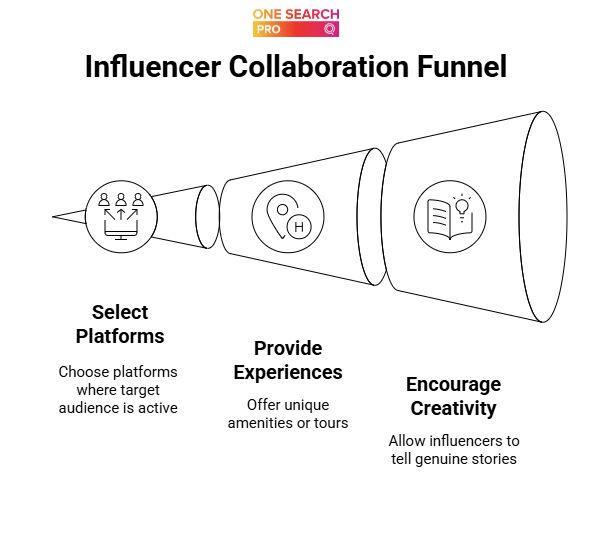
- Identify influencers who align with your brand and values, and select popular platforms where your target audience is most active for influencer collaborations.
- Provide memorable experiences during their stay, such as unique amenities or local tours.
- Encourage creative freedom so influencers can tell genuine stories about their visit. This approach lets you grow your reach, build trust, and create buzz in a way that traditional ads usually can’t. Influencer collaborations can also be part of comprehensive digital marketing solutions for hotels, helping to drive bookings and strengthen your online presence.
Wrapping Up
Just like every other niche, hotel marketing will have it’s own unique and dedicated digital marketing methods. Some may be unconventional but nothing is set in stone in the world of marketing.
While we also understand starting from scratch can be daunting and it is perfectly fine to ask for assistance. Hence, if you are seeking help with your hotel marketing troubles, be sure to seek our digital marketing experts over at One Search Pro!