
Running a dental practice these days is about more than just providing great care. You’ve got to be easy to find when folks start Googling for the services you offer.
You strengthen your practice’s visibility and attract new patients by understanding and applying the fundamentals of dental SEO.
It’s not about fancy tricks or shortcuts; it’s just building trust and showing up consistently online.
You’ll get a feel for how to optimize your website, stand out in local search, and figure out what’s actually working.
Each part of this guide breaks things down into steps, so your practice pops up right where it matters—right in front of people who need a dentist.
Understanding SEO For Dental Practices
Before getting started, a disclaimer – we are not affiliated with any of the businesses I will be showing pictures of in this article.
I am only using their relevant local SEO information to better illustrate certain points and help you better understand these tips (though I’m sure they wouldn’t mind some free advertising).
Enough warnings, let’s get into the meat of the topic.
Marketing in healthcare is a tricky mix of trust, visibility, and reputation.
For dental practices, SEO is pretty much the bedrock for attracting new patients—making it easier for them to find you online.
Success comes down to technical site quality, content that makes sense, and a strong local presence. It’s a lot, but it’s doable.
How Search Engines Evaluate Dental Websites
Search engines look at hundreds of details before deciding where your dental website lands in the results.
The big ones?
Site structure, mobile performance, keyword relevance, and user experience.
A fast, mobile-friendly site screams professionalism—both to Google and to your future patients. That’s just the reality now.
Clear page hierarchy and descriptive metadata make it easier for search engines to “get” what you offer.
For example, if you’ve got separate pages for “teeth whitening” or “emergency dental care,” you’ll show up for those local searches people actually use.
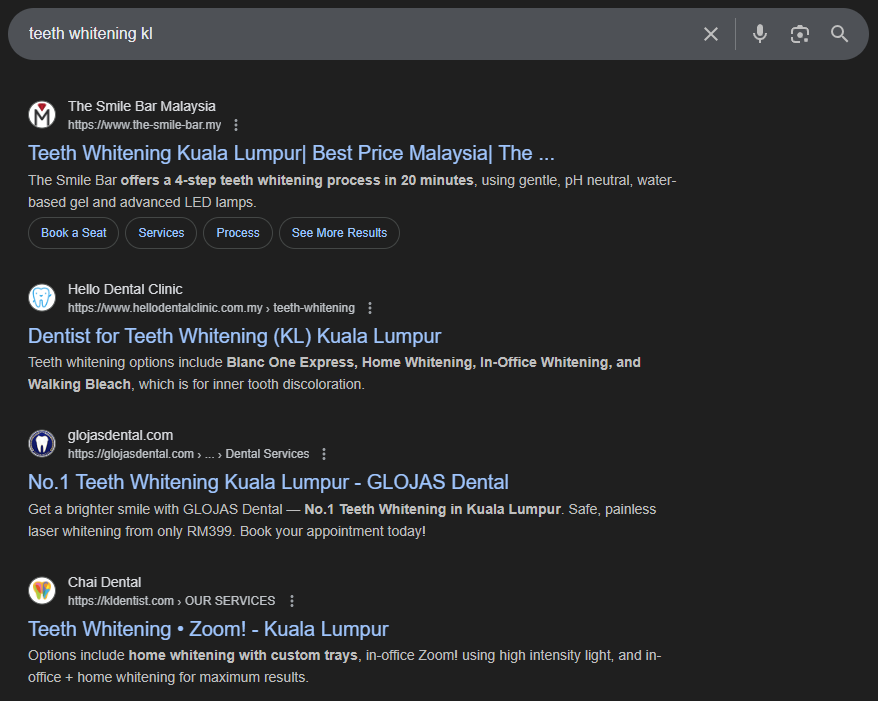
Use simple headings, alt text for images, and clean URLs. Don’t overthink it.
Credibility is another big deal. Positive reviews, matching business info (that’s your NAP: Name, Address, Phone), and links from trusted local directories all boost your authority.
Google really likes seeing expertise and authenticity. When your site shows both, you get more visibility and more patient trust.
Common SEO Challenges In Dentistry
Competition among local practices is probably your toughest challenge. Tons of clinics in the same city are all trying to rank for the same stuff, like “best dentist near me.”
To stand out, you’ve got to get smart about keywords and show what makes your care different. It’s not always easy, but it’s worth it.
Some offices are stuck with old websites or clunky tech setups. Slow load times, missing SSL, and bad mobile design can tank your rankings and turn off patients.
Getting local signals right takes work too. Your business listings need to match everywhere—Google, Yelp, local directories.
If your info is inconsistent or your profiles are outdated, search engines get confused and you lose ground locally.
Keeping up with reviews, watching your analytics, and updating your content regularly? That’s how you stay visible and competitive.
Measuring The Success Of Your Dental SEO Strategy
Checking how your SEO is doing makes sure you’re not wasting time or money.
Good metrics and the right tools help you see if your website’s actually bringing in new patients and holding its own in a crowded online space.
Key Performance Indicators For Dental Practices
Tracking key performance indicators (KPIs) gives you a real look at what’s driving your growth. First up: organic traffic. That’s how many people find you through search, not ads.
Keep an eye on which pages get the most visits and how folks land on your site—especially keywords tied to your treatments and services.
Measure local search visibility too, since most dental patients are looking for someone close by.
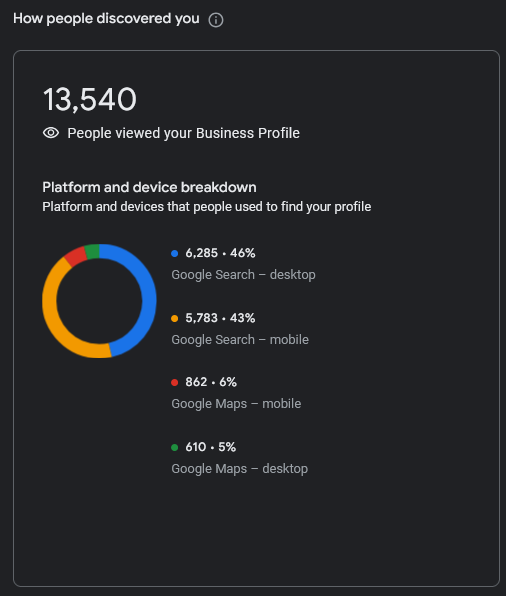
Your Google Business Profile metrics—like search views, calls, direction requests, and photo clicks—can tell you a lot about how people are finding and interacting with your listing.
It can even show you which platform people are using to view your profile – mobile, tablet, desktop.
This can tell you which version of your website is driving the most traffic, and should therefore be well-polished.
Don’t forget conversion rates. That means appointments booked, forms filled out, or calls from your website.
Lots of impressions are great, but if nobody’s reaching out, something’s off.
Finally, check that your name, address, and phone number (NAP) are the same everywhere online. If they’re not, you’ll lose trust with Google and probably with patients, too.
Tools For Tracking SEO Progress
Modern SEO tools make it way easier to keep tabs on your progress.
Google Analytics and Google Search Console are must-haves—they show you what people search to find you, how they behave on your site, and flag any issues.
For local visibility, Google Business Profile Insights is pretty handy.
It breaks down how people find you—whether it’s Search or Maps—and what they do next, like calling or clicking to book.
Want to see how you stack up against other clinics?
Platforms like SEMrush, Ahrefs, or Moz help track backlinks and keyword competition in your area.
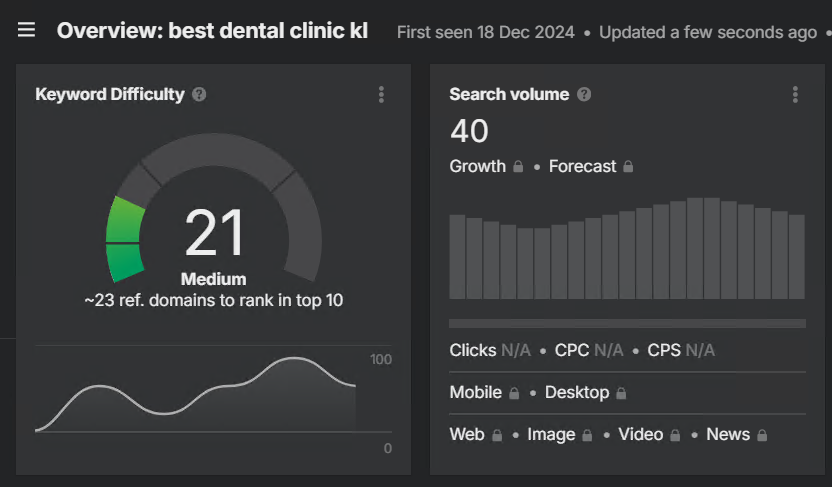
Some dentists use dashboards to pull all these stats into one spot. With a quick look, you can spot trends and tweak your strategy, instead of just guessing what’s working.
Keeping up with your numbers means you know where to focus next. It’s not glamorous, but it works.
The Comprehensive List of 17 Tips to Improve SEO for Dentists
Just because your business is not the flashiest or trendiest, doesn’t mean you cannot make use of and benefit from SEO – you just need to make attractive niche content.
Local SEO can especially benefit you as a dentist without a strong physical store presence, amplifying your online one instead.
1. Optimize Google Business Profile
Your Google Business Profile is basically your digital front door. When someone searches for a dentist nearby, that listing can make or break whether they call you or scroll past.
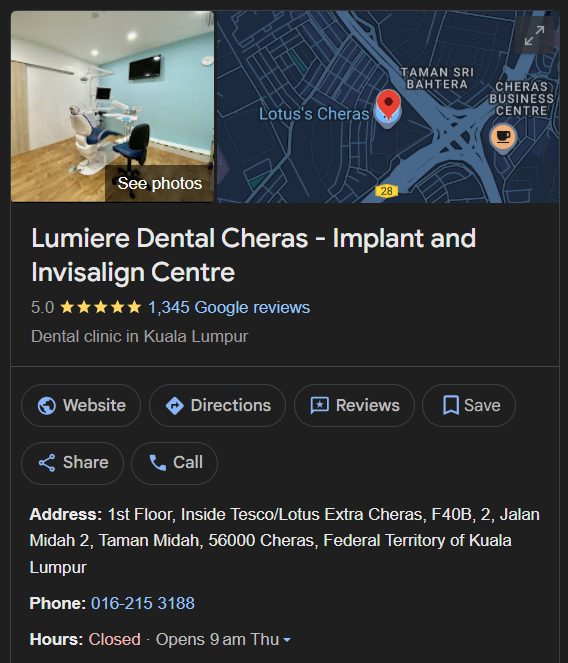
Fill out every section—business name, address, phone, hours, services. Even small typos or mismatches can confuse Google and potential patients.
Upload good photos of your clinic, your staff, and the waiting area. People want to see where they’re going, and sharp images make your practice feel more welcoming.
Post quick updates about new services, dental tips, or even holiday hours. It shows you’re active and paying attention.
Ask happy patients for honest reviews. Reply to every review—good or bad—to show you care about feedback. I’ve watched clinics climb up the local rankings just by keeping up with reviews.
Check your profile insights regularly to see how folks are finding you and what they’re doing. Use that info to tweak your local SEO and marketing.
Keeping your profile accurate and interesting keeps your practice top-of-mind—and trustworthy—in local searches.
2. Use Local Keywords In Website Content
Local keywords are your connection to patients nearby.
When someone types “dentist near me” or “teeth cleaning in KL,” search engines lean on those location words to serve up the right results.
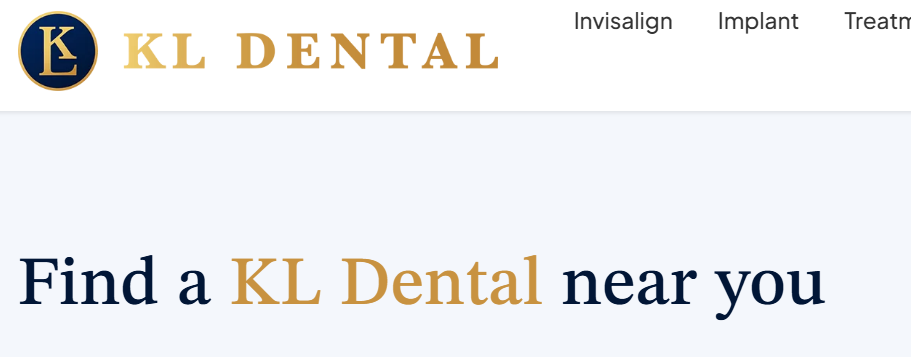
Weaving those phrases into your site—without forcing it—helps the right people find you. It’s a balance.
Start by figuring out how people in your area actually search. Google Keyword Planner and Google Trends are good for this.
Use terms like your city, neighborhood, or even a specific service area in your titles, headings, and meta descriptions.
Just keep it sounding natural. Awkward keyword stuffing is a turn-off for readers and Google alike.
Sprinkle local keywords into your About page, service pages, and blog posts. If you write about “best teeth whitening in Petaling Jaya,” both Google and your readers know exactly where you work.
I’ve seen practices jump in rankings just by matching their keywords to how locals talk. It’s simple but effective.
Update your content as your area grows or changes. New neighborhoods, schools, or businesses can shift how people search.
Staying on top of this keeps your website in the local mix.
3. Create Location-Specific Landing Pages
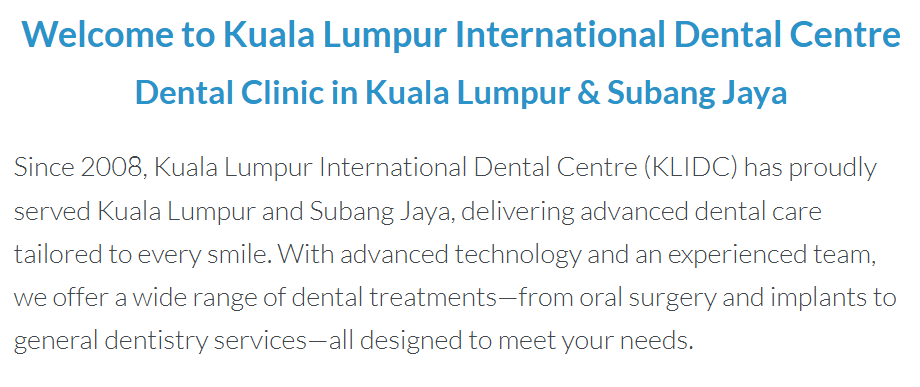
If you’ve got more than one office, each needs its own page. A single, generic contact page doesn’t help search engines—or patients—figure out where you actually are.
By building separate location pages, you make it way easier for people to find you when they search for a dentist in their part of town.
Each page should clearly list the clinic’s address, phone, and hours. Drop in a map, directions, and parking info so folks know exactly how to get there.
Consistent contact details across all your listings help with local SEO, too.
Mention the services you offer at that location and maybe reference a nearby landmark or two.
Use headings and content that match what people in that area are searching for—like “cosmetic dentist in [City].”
Feature testimonials from local patients and add photos of the team at that office. It feels more real and builds trust.
When you set these up right, search engines notice, and patients have a much easier time finding the right location for them.
4. Encourage Patient Reviews On Google
Online reviews are a big deal for dental practices. Most people check Google ratings before picking a dentist, so positive feedback can directly lead to new appointments.
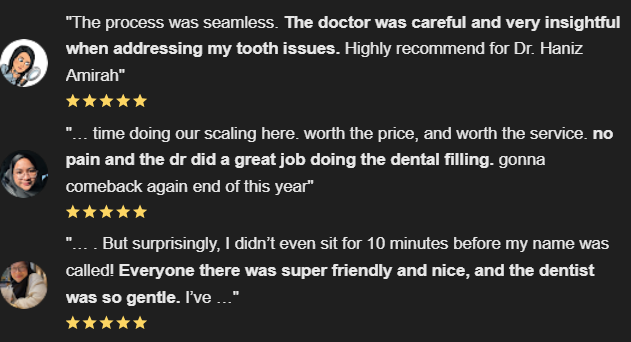
Consistent, honest reviews also tell Google your practice is active and trustworthy—which can boost your local search ranking.
Ask happy patients to leave a review after their visit.
Make it easy—send them a direct link to your Google Business Profile by text or email. The simpler it is, the more likely they’ll do it.
Let them know their feedback helps you improve and helps others make a choice. It’s a win-win.
Always reply to reviews, good or bad. Keep it professional and show you care about what people have to say.
Over time, this back-and-forth builds credibility and a stronger online reputation.
5. Build Backlinks From Local Health Directories
Getting backlinks from local health directories is a solid way to boost your practice’s credibility in Google’s eyes.
When trusted healthcare sites link to you, it signals you’re legit and part of the local medical scene.
This kind of validation helps you rank better in local searches. It’s not magic, just smart networking.
Start by finding reputable niche directories focused on dental or medical services, such as dentalclinicclosetome.my.
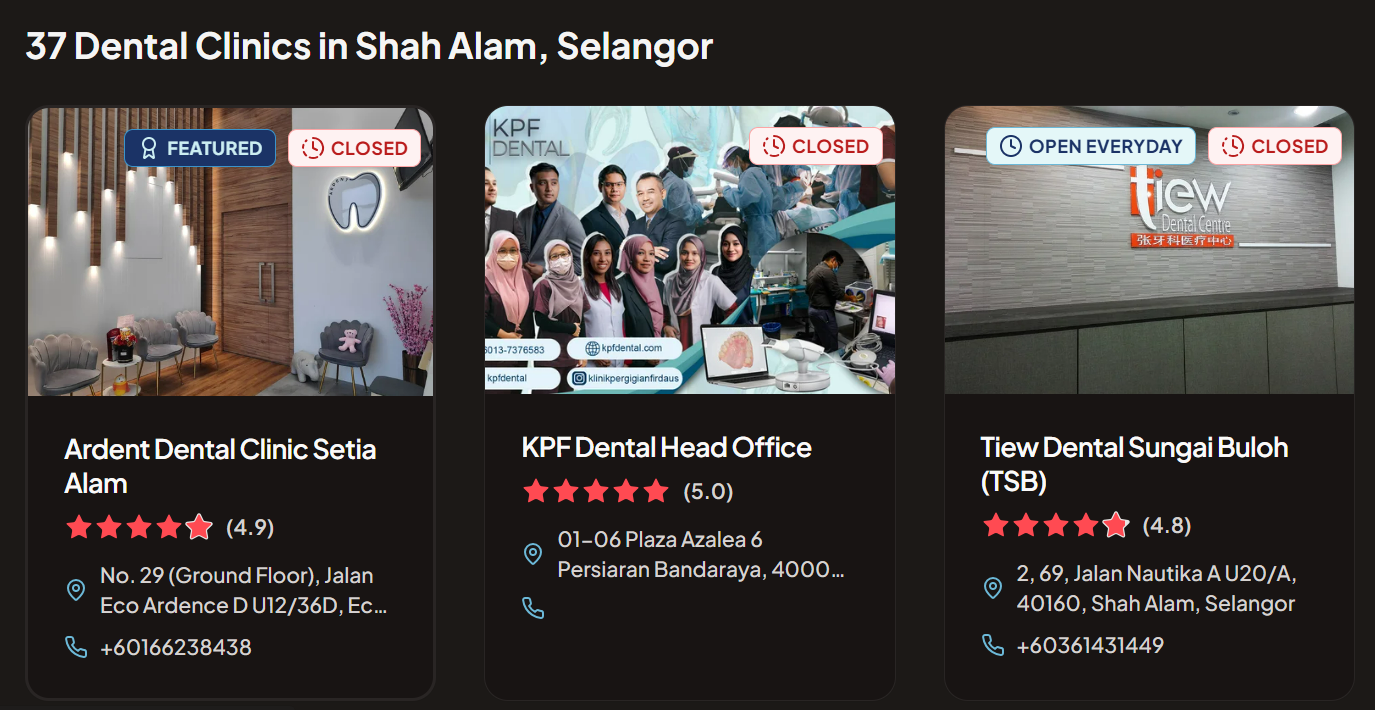
Make sure your business info—name, address, phone, website—is accurate everywhere. These consistent citations help your local SEO profile.
Consider teaming up with nearby health providers. Maybe a local orthodontist or pediatric clinic can link to your site, and you return the favor.
These natural, community-based links carry real weight with search engines.
Keep your directory profiles up to date. Outdated or incomplete listings can hurt your authority and confuse patients.
Regularly checking and updating ensures both search engines and patients get the right info every time they look you up.
6. Publish Blog Posts About Dental Health Tips
Your blog is a great place to answer the everyday questions patients Google—stuff like how to keep teeth clean or what to expect after a filling.
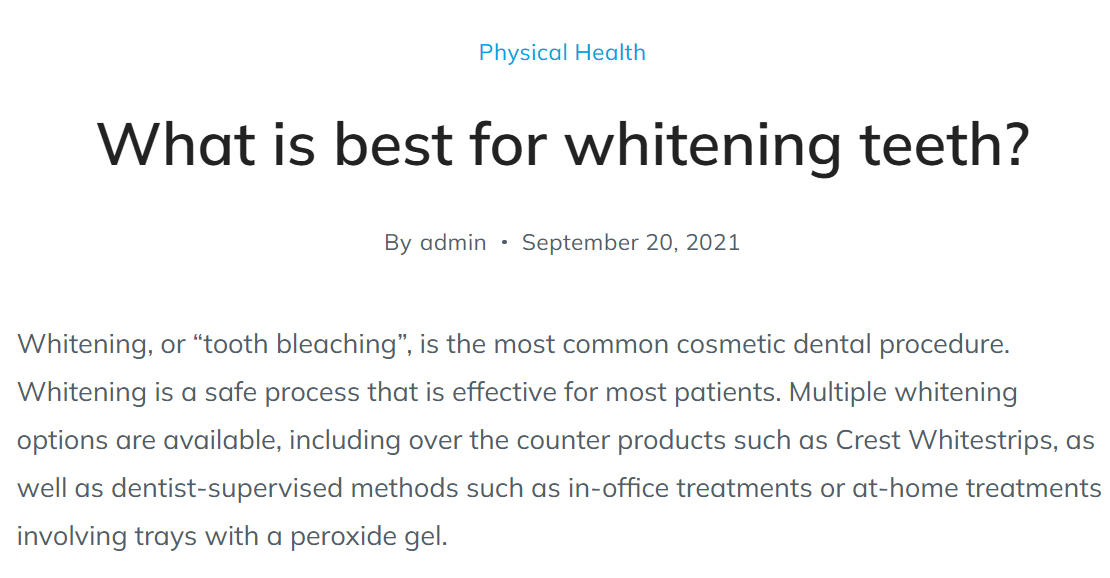
This way, your site pops up for people looking for advice, not just those searching for a dentist. Search engines love useful, relevant, and unique content.
You can take a preliminary look at what questions people are searching for with tools such as Ahrefs and Answer the Public.
These searchers may not be currently looking for your services, but their search for such a topic implies a possibility of them coming back at a future date.
And you don’t want to be missing out on that potential user.
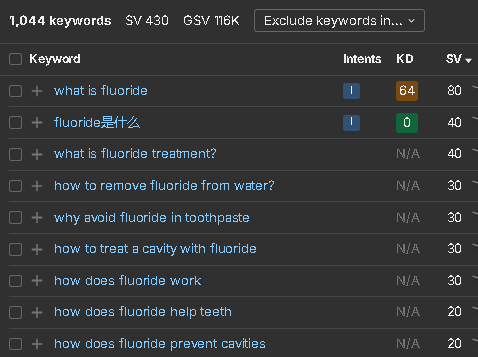
Keep each post focused on one topic. Maybe write about “best foods for stronger teeth” one week, then “fluoride benefits explained” the next.
It keeps things organized and easy for both readers and Google to follow. Don’t try to cram too much into one article.
Whenever you can, tie it back to your local area. Mention common dental issues in your region or highlight community events about oral health.
This helps connect your practice to the local crowd and builds trust. It’s a nice touch.
Write in a clear, friendly way. Use real patient stories, skip the jargon, and give tips people can use right away.
Consistent, helpful posts show you know your stuff and boost your site’s visibility over time.
7. Ensure Mobile-Friendly Website Design
Your website has to work on any device. Most dental patients are searching from their phones, so if your site loads slowly or looks weird, you’re probably losing appointments.
People want to book fast—no pinching, zooming, or waiting for slow pages.
If it’s clunky, they’re gone.
Go for responsive design so everything—text, images, buttons—adjusts automatically to any screen size.
Simple layouts, clear calls-to-action, and big, readable fonts make browsing way easier.
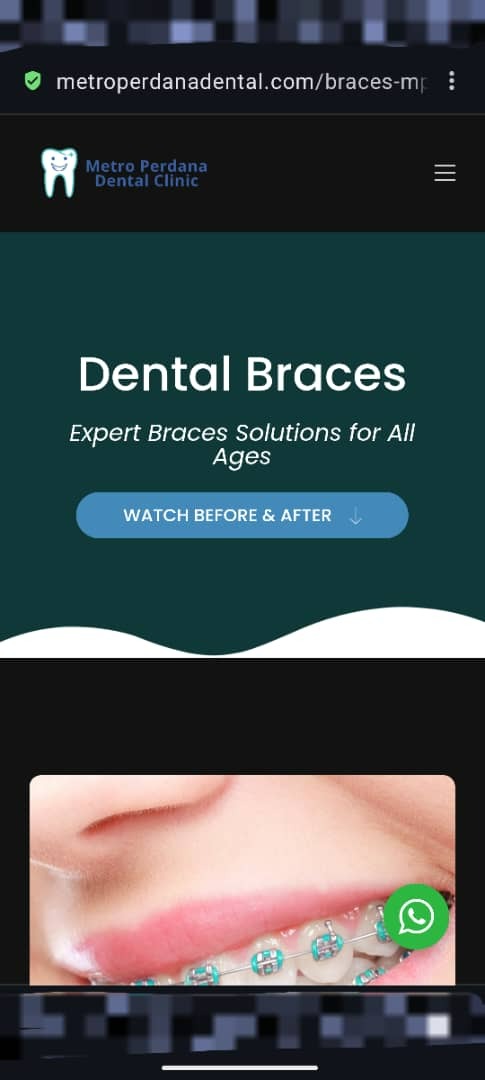
I’ve seen dental sites that look fine on desktop but totally fall apart on mobile. Broken forms or missing buttons can cost you real patients.
Compress your images, use browser caching, and cut down on unnecessary code to keep things speedy. Google’s Mobile-Friendly Test can help you spot issues and fix them.
Put your key info—address, hours, contact form—front and center. Mobile users move fast, and you want to keep up.
It’s not just about convenience. Search engines give priority to mobile-optimized sites, so this helps your SEO and keeps visitors happy at the same time.
8. Improve Website Loading Speed
Your site’s loading speed is a bigger SEO factor than a lot of dentists realize.
Optimizing this sort of thing is known as technical SEO – think of it as applying butter to smoothen the rest of your website sandwich.
Google likes fast sites because patients do, too—nobody wants to wait for a page to load, especially when they’re ready to book an appointment.
Start by shrinking your images. Use modern formats like WebP to cut down file size without making things look bad.
Trim down extra scripts and plugins that slow things up. A lean site almost always outperforms one that’s cluttered with flashy features you don’t need.
I’ve seen practices cut their load times in half by switching to a content delivery network (CDN). That way, your content loads quickly no matter where your patients are.
Add browser caching on top and you’ll see your speed scores jump. It’s a simple fix with a big payoff.
Run regular checks with Google PageSpeed Insights or GTmetrix. They’ll show you exactly what’s slowing things down and how to fix it.
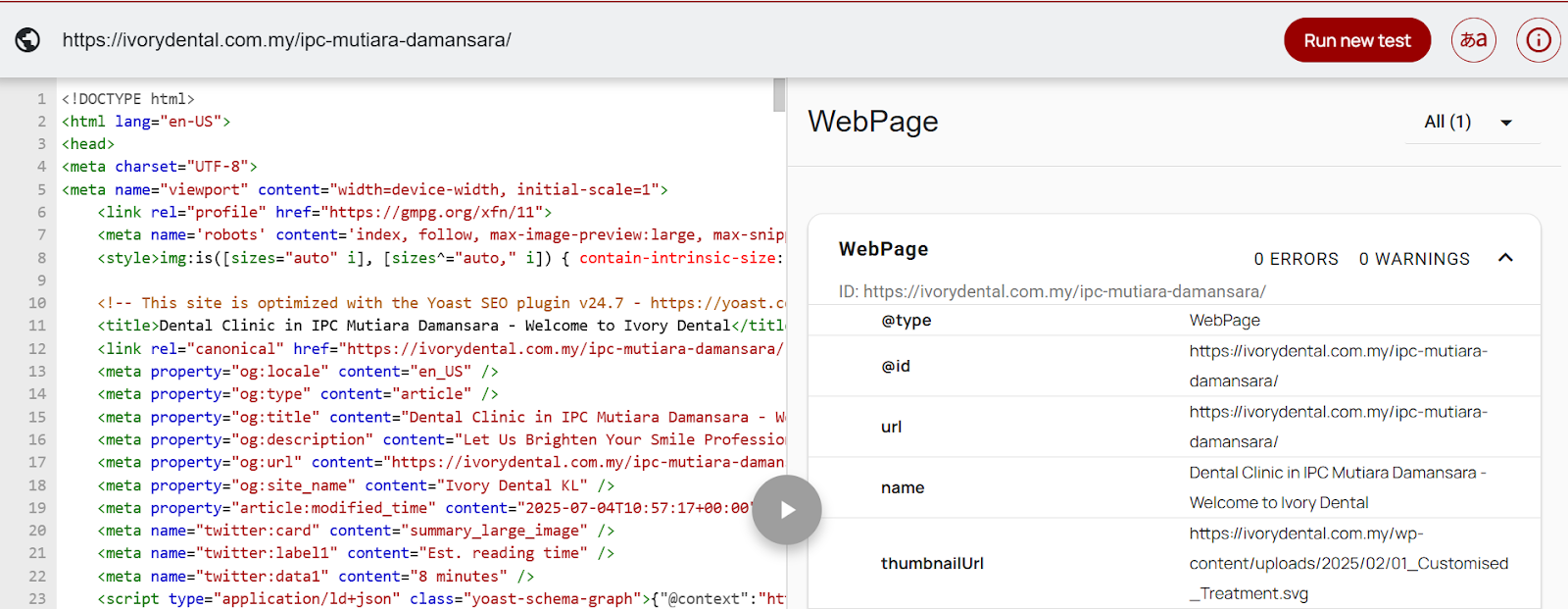
Keeping your site speedy isn’t just good for rankings—it shows patients you care about their experience, even before they walk in the door.
9. Use Schema Markup For Local SEO
Schema markup gives search engines a clearer picture of your dental practice—things like your services, location, office hours, and even patient reviews.
By adding structured data to your site, you’re basically telling Google, “Hey, here’s exactly what my business is about.”
This can improve how your details show up in search results. Enhanced listings tend to get more clicks from folks nearby, which is the whole point, right?
Local business schema lets you display the essentials right in search results. We’re talking practice name, address, phone number, and your hours.
If someone searches “dentist near me,” this data helps map listings stay accurate and really boosts your local relevance.
Implementing schema markup isn’t rocket science. You can use tools like Google’s Structured Data Markup Helper or just grab a plugin if your site runs on a platform that supports it.
Always test your markup with Google’s Rich Results Test—trust me, you don’t want to find out it’s broken after the fact.
A clean, accurate schema setup can give your local SEO a real edge and just makes it easier for patients to actually find and trust you online.
10. Add Clear Calls-To-Action On Every Page
Every page on your dental website should nudge visitors toward the next step.
A call-to-action (CTA) is what turns someone just browsing into an actual lead—maybe booking an appointment, asking for a callback, or grabbing a new patient form.
If you don’t give them a clear instruction, even the interested ones might just wander off.
Stick CTAs in headers, footers, or drop them into the middle of your content when it fits.
Short and direct wins—stuff like “Book an Appointment,” “Call Now,” or “Schedule Your Cleaning” works way better than those vague “Click Here” buttons.
Clear language takes away any second-guessing and makes the next move obvious.
CTAs pop most when they stand out visually. Try using a color that jumps out, a font you can actually read, and enough white space so it doesn’t get lost.
I’ve seen practices double their conversions just by swapping a boring link for a bright button. It’s funny how those little design tweaks can really move the needle.
Don’t be afraid to test different CTA spots or wording. See which ones get you more bookings or phone calls.
You’ll figure out what actually clicks with your audience and make sure every page is pulling its weight for your business.
11. Optimize Title Tags And Meta Descriptions
Your title tags and meta descriptions are pretty much the first thing potential patients see in search results.
They’re like the tiny billboards for your site, nudging people to click through and check you out.
If you write them well, you can seriously boost your visibility and get way more clicks.
Keep your titles short and to the point, but work in your main keyword and location.
Something like “Family Dentist in KL – Dr. Smith Dental Care” spells it out for both Google and real people.

Try to keep it under 60 characters so it doesn’t get chopped off on mobile or desktop.
Meta descriptions are basically mini ads.
Sum up what’s on the page in about 160 characters, and use language that encourages action—like booking an appointment or learning about a treatment.
I’ve seen clinics get more organic traffic just by tightening up these details.
A polished title and description not only get you noticed, but they set a professional tone before anyone even lands on your site.
12. Include Dentist Bios With Credentials
Your bio is usually one of the first things new patients check out when they’re sizing up your practice. It can really sway their decision to book an appointment—or not.
A thorough bio builds trust by showing off your education, skills, and what you actually specialize in. People want to know who you are and why you’re the right choice.
If there are multiple dentists as part of your team, include them as well.
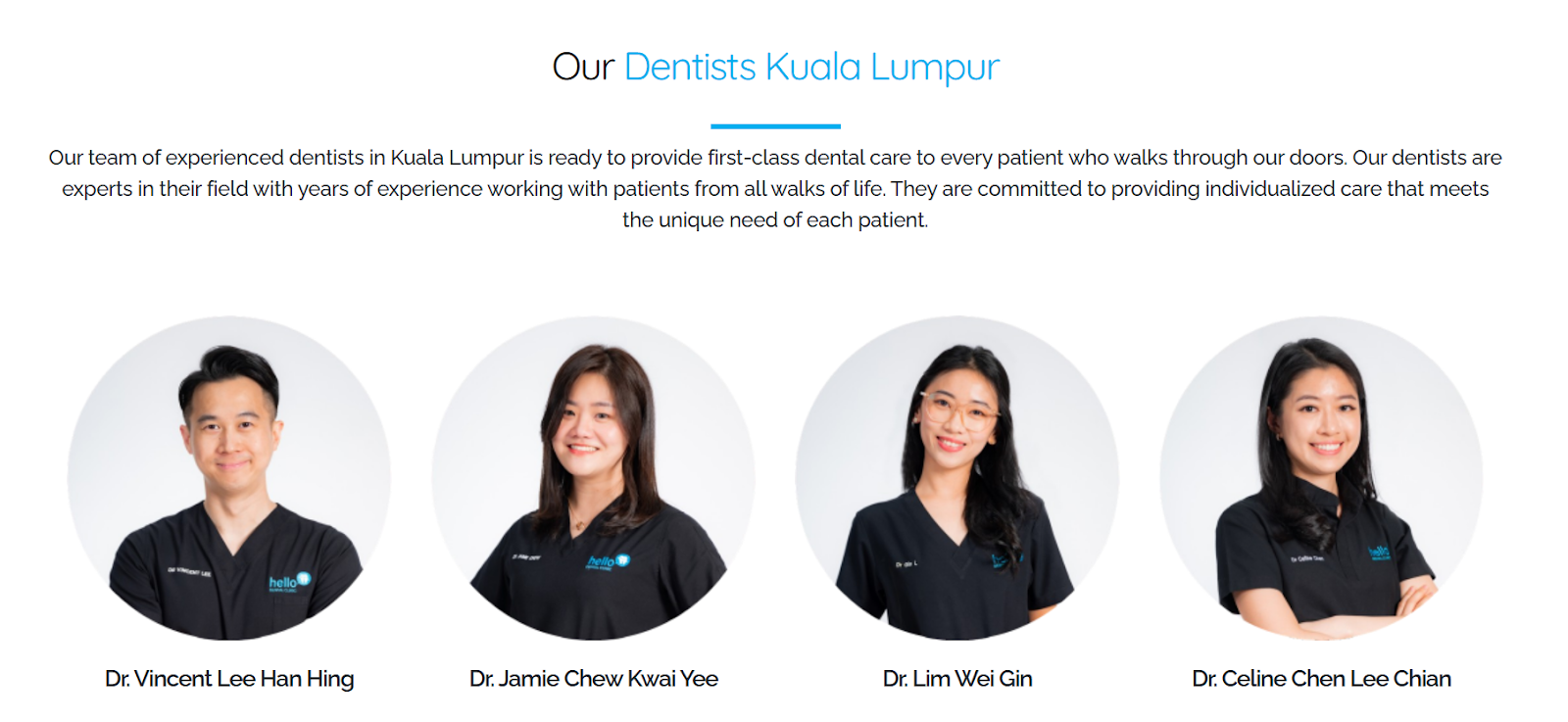
List your degrees—DDS, DMD, whatever—right up front, and mention how long you’ve been practicing.
Throw in any associations, certifications, or extra training to show you’re not just another dentist.
It’s good for patient confidence, but it also signals authority to search engines, which is a bonus.
Add a quick note about your approach to care or what got you into dentistry in the first place. That little bit of personality can make your bio stick in someone’s mind.
If you can, pair it with a professional headshot. It’s a small thing, but it really makes you look more real and approachable.
Search engines love pages that show expertise and trustworthiness.
If you work in keywords like “family dentist in [city]” or “cosmetic dentistry expert,” you’ll boost your chances of ranking higher and pulling in the right patients.
13. Use High-Quality Images Of The Practice
Great photos help patients picture your office before they ever walk in.
Clean, well-lit shots of your waiting area, treatment rooms, and team send a message of professionalism and trust.
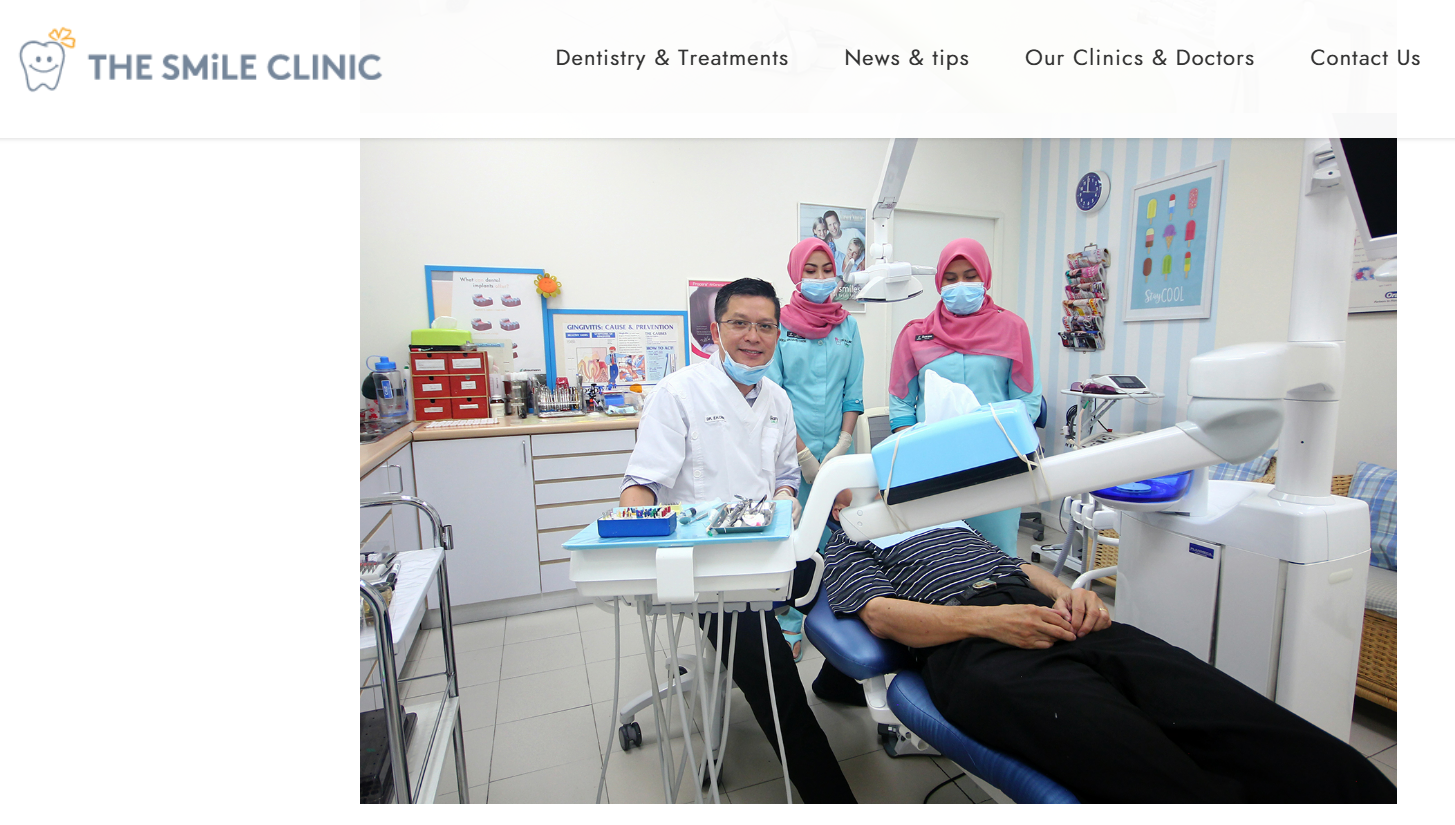
If your site’s full of dark or grainy photos, it can make even the best practice look outdated or unwelcoming.
Keep image quality high, but don’t forget about file sizes. Use JPEGs for regular photos, PNG or WebP for images that need transparency or are smaller in size.
Compress big files before you upload them—nobody wants a slow website, and search engines notice that stuff.
Be smart with filenames and alt text. Instead of “IMG123,” try something like “Boston family dental office.”
That way, search engines get what your images are about and it nudges your SEO in the right direction.
Show your real staff and office, not just stock photos. People react better to genuine visuals—they want to see who they’ll actually meet.
Consistent, pro-level photography across your site builds credibility and makes it easier for new patients to trust you.
14. Implement SSL For Website Security
These days, you really can’t run a dental website without SSL encryption.
SSL (Secure Sockets Layer) keeps all the info your patients send—appointment forms, contacts, payments—locked down and private.
It’s not just about safety; it shows you’re a pro who takes privacy seriously.
Google actually uses HTTPS as a ranking factor. They want sites to be secure, and so do your visitors.
When that little padlock shows up in the browser, people feel safer filling out your forms or booking a visit.
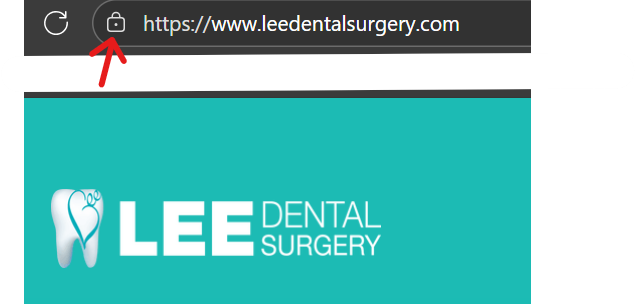
If you skip SSL, browsers might even flag your site as unsafe, which is a trust-killer.
Getting an SSL certificate is usually quick and affordable. Most hosting companies walk you through it.
Once it’s set up, make sure all your pages redirect from HTTP to HTTPS so your site stays consistent and your SEO doesn’t take a hit.
I’ve seen small dental sites get a bump in performance just by making the switch.
It’s not just about rankings—patients stick around longer and actually finish booking when they know your site’s secure.
For something that takes maybe ten minutes to set up, the benefits are huge.
15. Create FAQ Section Targeting Patient Questions
An FAQ section is a lifesaver for visitors looking for quick answers about treatments, insurance, or how to book.
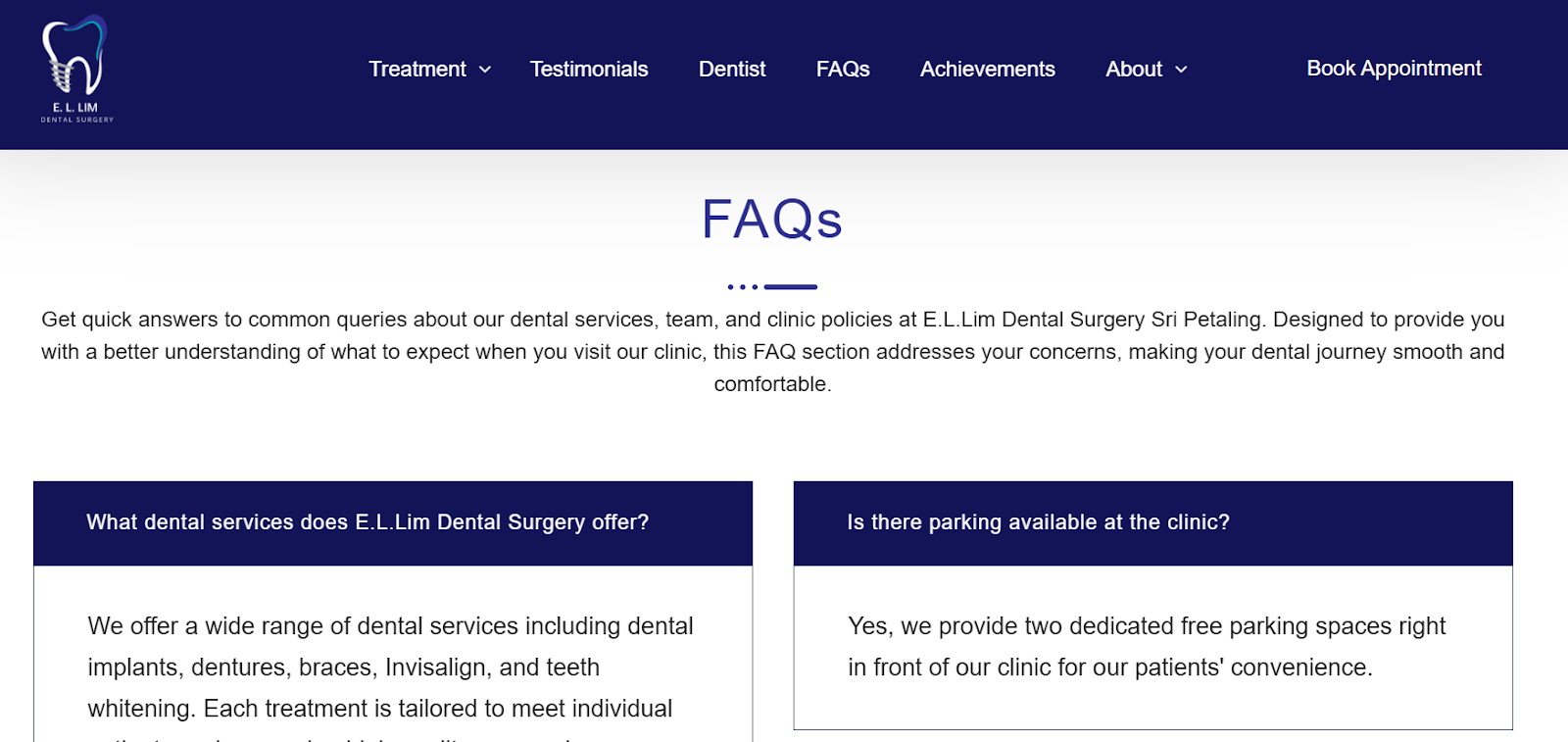
It cuts down on repetitive calls to your front desk and makes your site easier to use—which, over time, can help your SEO too.
Base your questions on what patients actually ask in emails or during visits.
If everyone’s wondering about whitening costs or what recovery is like after a root canal, those should be in your FAQ.
Keep your answers short and clear so people can scan fast and get what they need.
Search engines sometimes feature FAQ content in rich results, which helps your listings stand out. Work in your keywords naturally, but don’t make it sound stiff or robotic.
I’ve seen dental sites get more clicks just by using structured data markup for their FAQs.
Keep updating your FAQ as new services pop up or common questions change. A fresh, accurate section shows you’re paying attention and staying current.
16. Leverage Social Media To Share Content
Social media can be a real bridge between your website and the community.
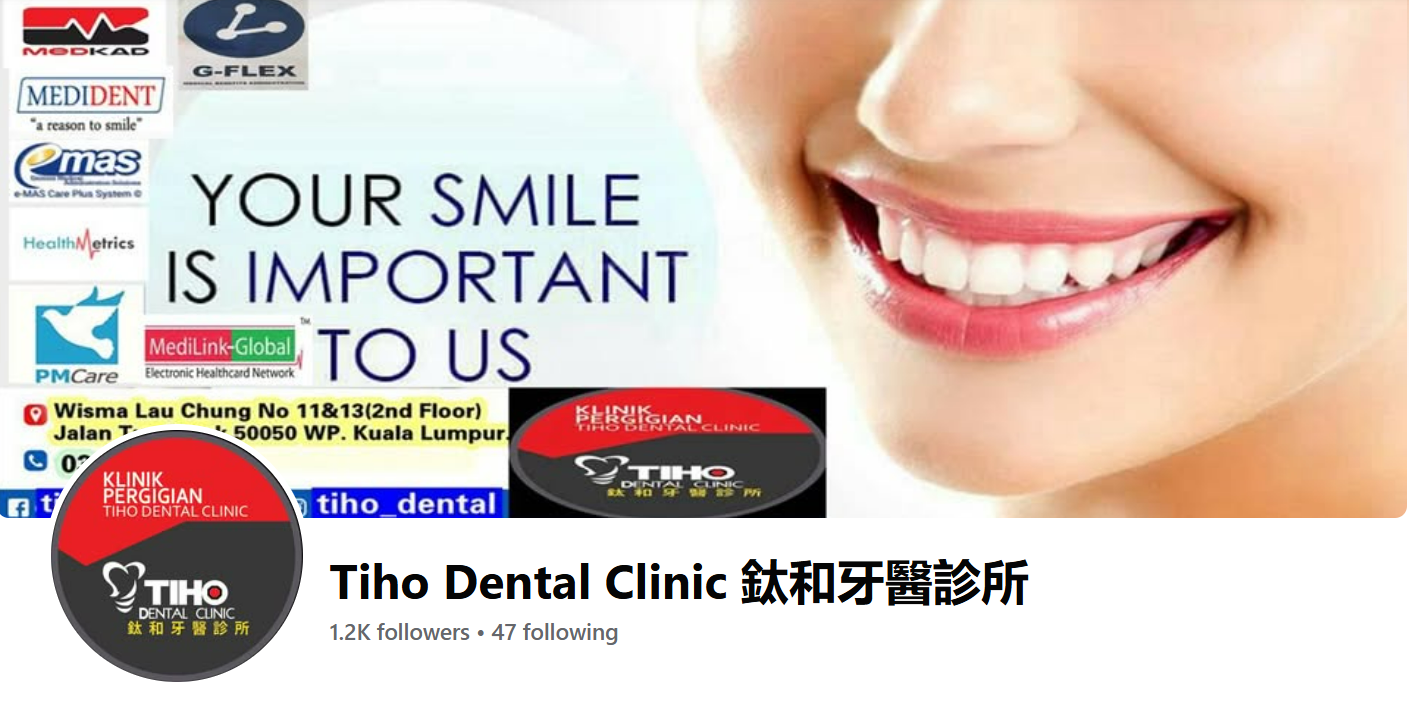
Sharing helpful posts—like preventive care tips or quick behind‑the‑scenes videos—keeps your audience in the loop and builds a sense of familiarity.
If people feel comfortable with your content, they’re more likely to check out your site for more info or book an appointment.
Try to post regularly on platforms like Facebook, Instagram, and YouTube. A steady schedule helps algorithms notice you and reminds folks your practice is active.
If you need guidance, you can check out our list of 7 tips on how to use Instagram for business.
There is an untapped gold mine of potential customers you can find on these platforms that you would otherwise miss.
Use local keywords in your captions or hashtags to give your search visibility a little push.
Share patient education articles, before‑and‑after photos (with permission, of course), and short explainer videos.
These show off your expertise and are easy for people to share, which can really expand your reach.
Pay attention to which posts get the most engagement or send traffic to your website.
That info helps you tweak your strategy so you’re focusing on what your audience actually cares about.
17. Monitor SEO Performance With Google Analytics
You can’t improve what you don’t measure—seriously. Google Analytics lets you see how people use your dental website, which pages they like, and how long they stick around.
Checking these numbers regularly helps you spot what’s working in your SEO plan and what’s falling flat.
Unfortunately, I do not have a Google Analytics property for dental clinics, so all I can show you is how you can expect your reports to look like.
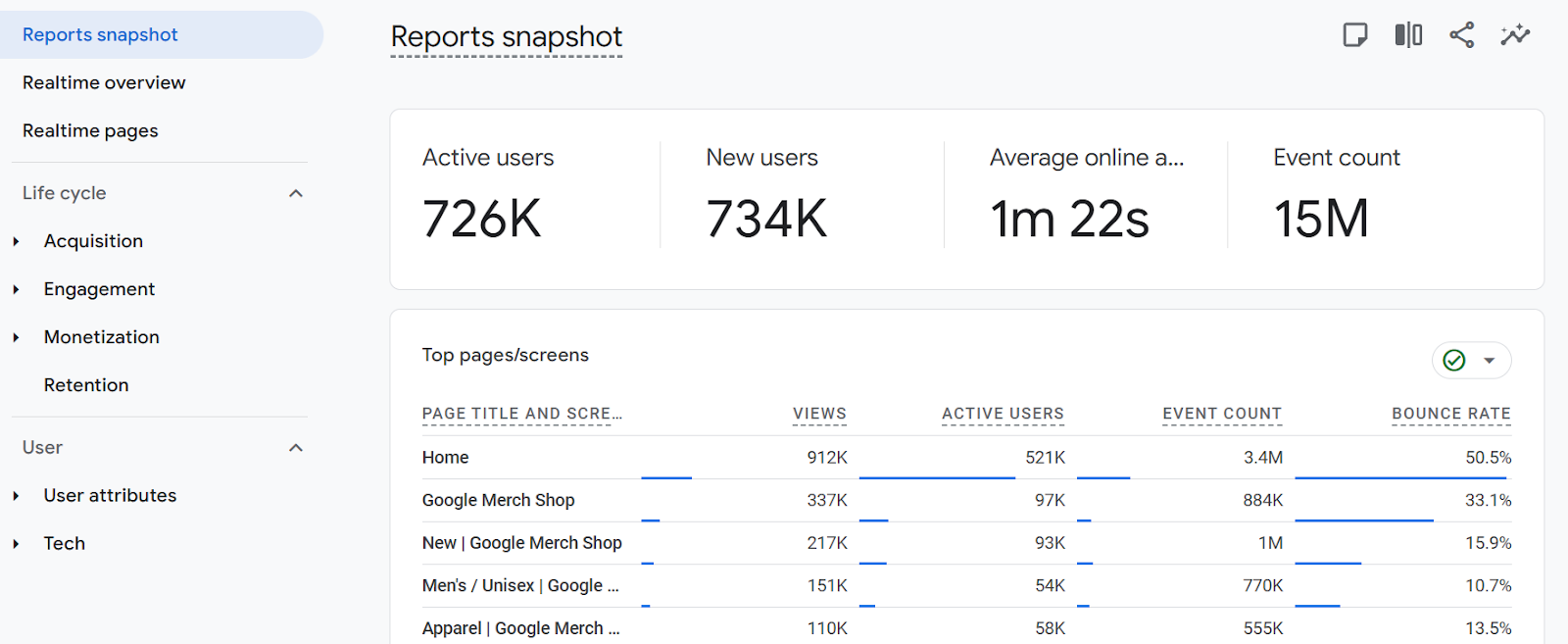
Watch your traffic sources. If most of your visits come from organic search, your keywords and local SEO are probably on point.
If things slow down or you see a dip, it might mean your content needs a refresh or that competitors are creeping up.
Don’t just look at page views. Metrics like bounce rate, session length, and conversion goals tell you if your site actually engages people.
If your contact page is where people bail out, maybe your appointment form needs fixing or your call to action isn’t clear enough.
I kind of think of Analytics like a health check for your website.
Just like you’d follow up with patients after a procedure, it’s smart to keep tabs on your site’s performance.
Checking in regularly helps you build data-driven habits that keep your SEO improving, little by little.
Conclusion
Your dental practice lives and dies by visibility and trust—online and off. If you’re not showing up where people are looking, someone else will.
Applying consistent SEO techniques really does pay off.
Things like optimizing your local listings, keeping your business details accurate, and gathering patient reviews all help you show up in the right places—think Google Maps, search results, and even those new AI-driven recommendations.
But don’t just set it and forget it. Keep tweaking your approach as search habits keep shifting.
Want a practical way to stay ahead? Track which keywords actually turn visitors into real appointments.
Simple metrics like organic traffic, bounce rate, and click-to-call actions are your friends here. Those numbers reveal way more about patient intent than plain old impressions ever will.
Here’s a quick checklist (because who doesn’t love a good list?) to keep your strategy on track:
Task
Frequency
Why It Matters
Update Google Business Profile
Monthly
Signals credibility and improves local ranking
Add new blog posts or updates
Biweekly
Builds authority and keeps your site active
Review analytics and keyword trends
Quarterly
Detects opportunities before competitors do
Just… stay adaptable. SEO’s never static, and algorithm changes can flip the script overnight.
If time or expertise ever get in the way, One Search Pro can actually help.
We offer custom marketing services that go way beyond SEO—think ads, content, conversion strategies, all managed under one roof.
In the end, consistency is what really defines success in dental SEO. Keep your site relevant, check your results often, and don’t be afraid to switch up your tactics as the competition and tech keep changing.