13 of the Best Tools For SEO Optimization To Boost Your Website’s Performance
1 December 2025
SEO success is a weird mix of strategy and tools.
Data-driven insights tell you what’s working, what’s not, and where you might just edge out the competition.
Using the best SEO optimization tools helps you improve visibility, measure performance, and make smarter decisions that lead to consistent growth.
You’ll get a look at how these tools strengthen every part of your online presence.
From improving site speed to researching keywords and tracking rankings, it’s all in there.
The goal isn’t to overwhelm you—it’s to help you pick tools that fit your needs and skill level.
That way, you can focus on stuff that actually moves the needle instead of just guessing.
How SEO Tools Enhance Website Performance
SEO tools strengthen your website’s foundation.
They improve your content’s quality and help you make smarter decisions by exposing your competitors’ strengths and weaknesses.
They’ll point out technical gaps, guide your keyword strategy, and highlight opportunities that boost site visibility and speed.
Technical SEO Improvements
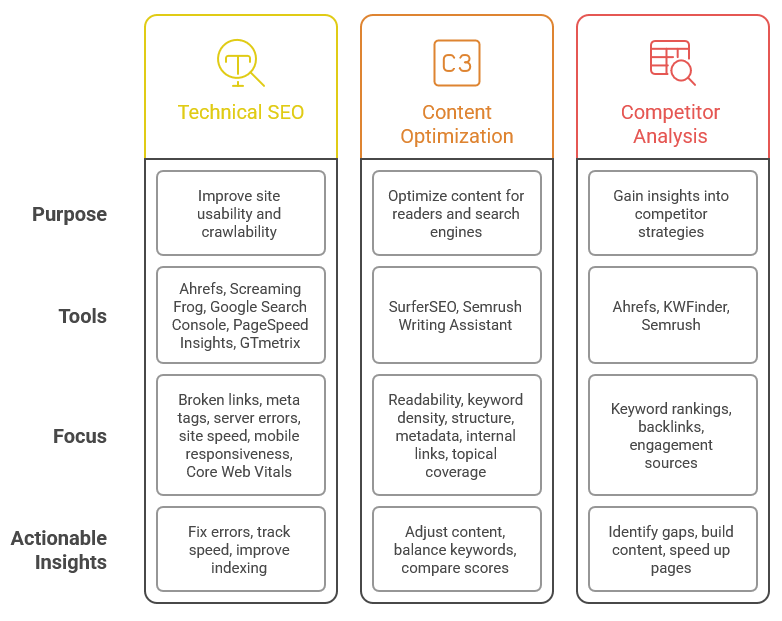
Technical SEO tools are all about making your site usable, crawlable, and fast.
Platforms like Ahrefs, Screaming Frog, and Google Search Console flag broken links, missing meta tags, and even server errors that can quietly wreck your indexing.
Here’s a little peek at our own unindexed pages on Google Search Console, showing why certain pages are currently unindexed. We’re gonna need to fix this!
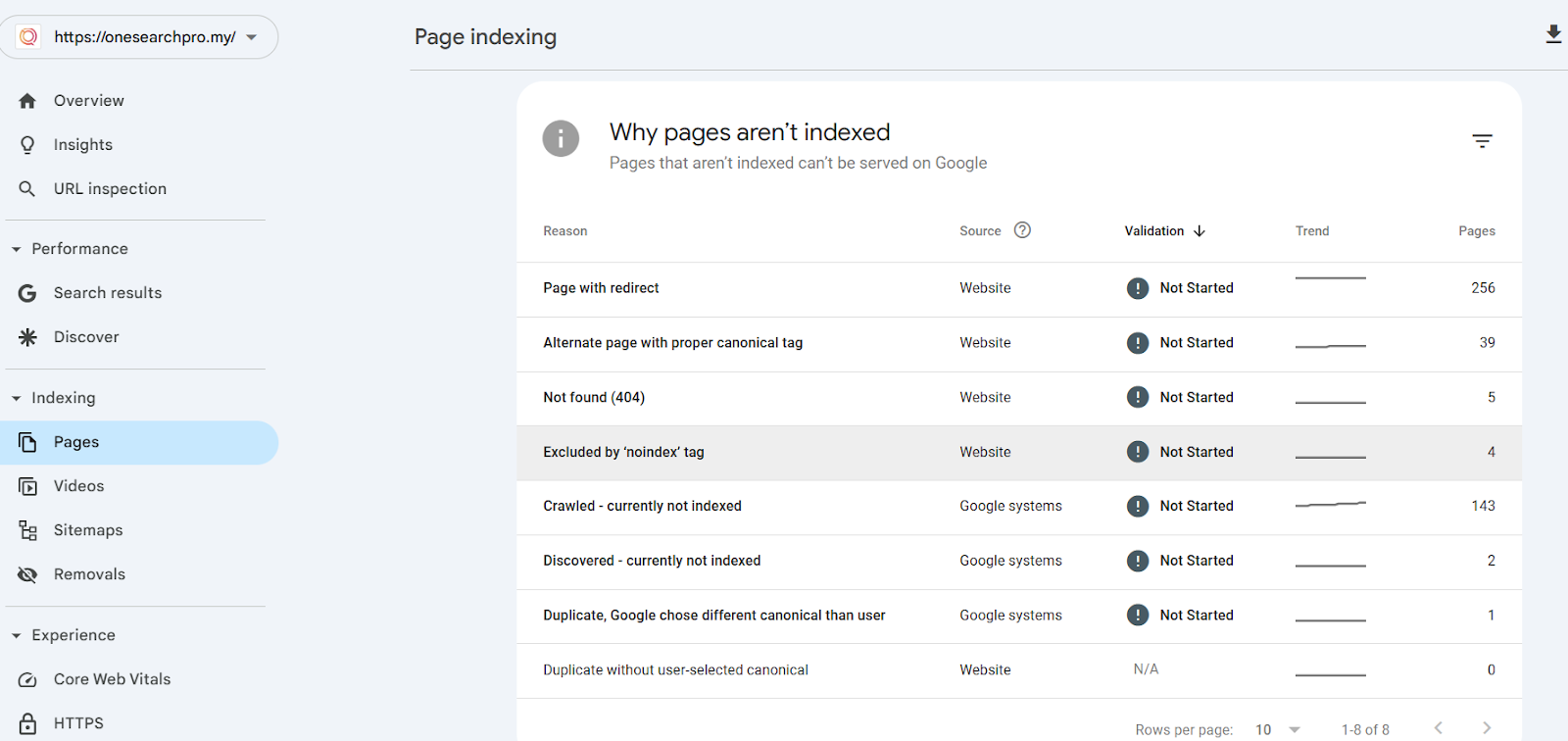
It can be a little complex to handle at first, so Google has plenty of existing resources to learn from yourself.
These insights give you a real, actionable path to fix stuff that’s quietly dragging you down in the rankings.
You can track site speed, mobile responsiveness, and Core Web Vitals with services like PageSpeed Insights or GTmetrix.
Each one measures how your pages load and interact, which is a big deal for user experience and search visibility.
Way too many site owners underestimate how much technical errors hurt their traffic.
For example, just fixing redirect loops and compressing images often cuts loading times by over 30%.
These improvements help search engines understand your pages better and, in the end, reward you with more consistent indexing.
Content Optimization Strategies
Modern SEO tools optimize what people actually read—and how search engines interpret it.
Tools like SurferSEO and Semrush Writing Assistant analyze top-performing pages for a keyword and suggest tweaks for readability, keyword density, and structure.
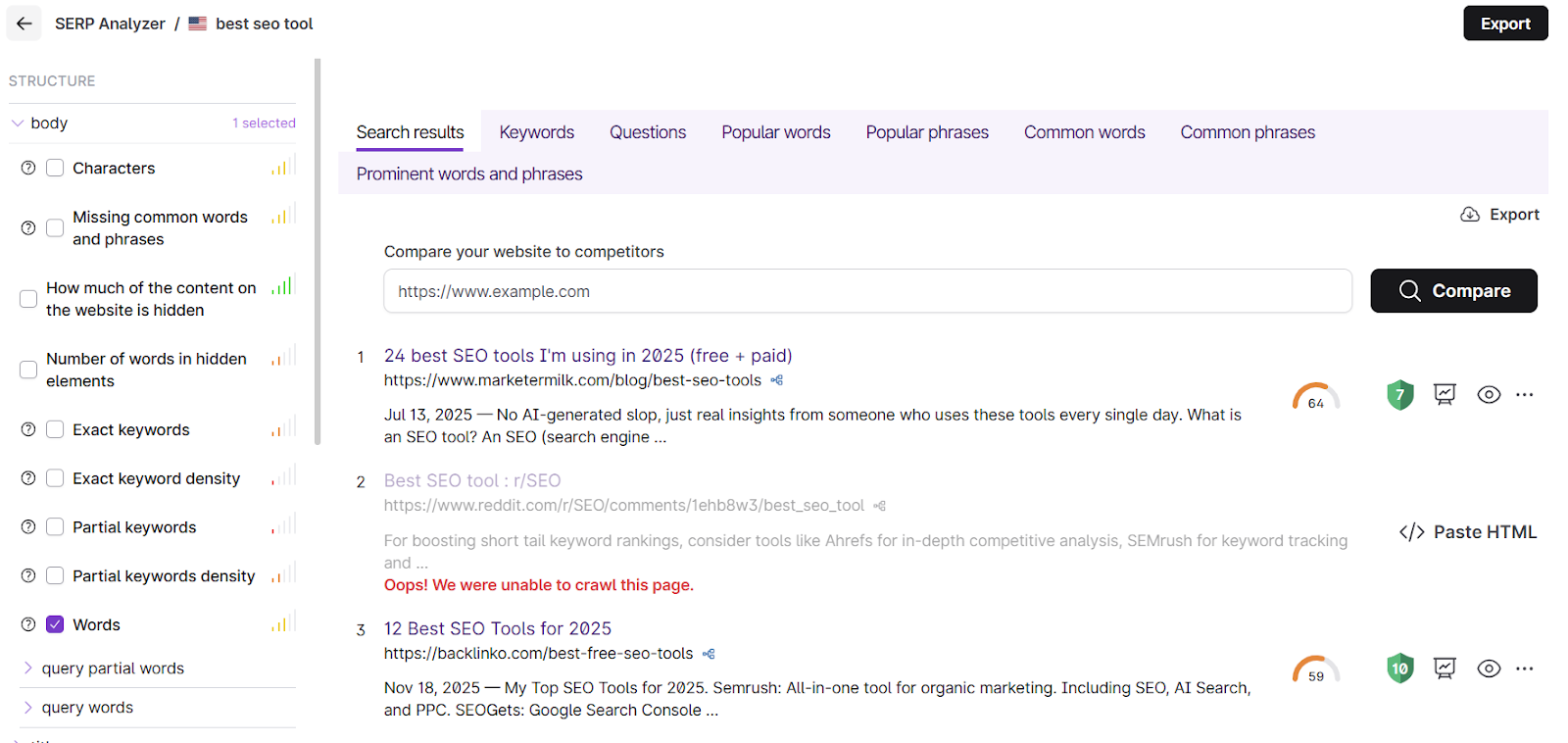
For example, SurferSEO’s SERP Analyzer tool lets you see various metrics of the top SERP results like average word count and keyword density.
Effective optimization means clear headings, relevant metadata, and internal links that actually help readers.
These things signal relevance to search engines and make your stuff easier to navigate.
For example, reviewing your keyword balance can keep you from going overboard while keeping your pages fresh and readable.
You can also use content scoring systems in a bunch of tools to compare your writing against industry benchmarks.
A higher score usually means better topical coverage and stronger engagement—two things that impact organic performance.
Competitor Analysis Insights
Competitor analysis tools give you real, actionable data on what others in your niche are nailing.
Tools like Ahrefs, KWFinder, and Semrush show you which keywords your rivals rank for, what backlinks give them authority, and where their engagement comes from.
For example, Ahrefs’s Organic Competitors tool shows the top competing domains against yours, so you know who to watch out for.
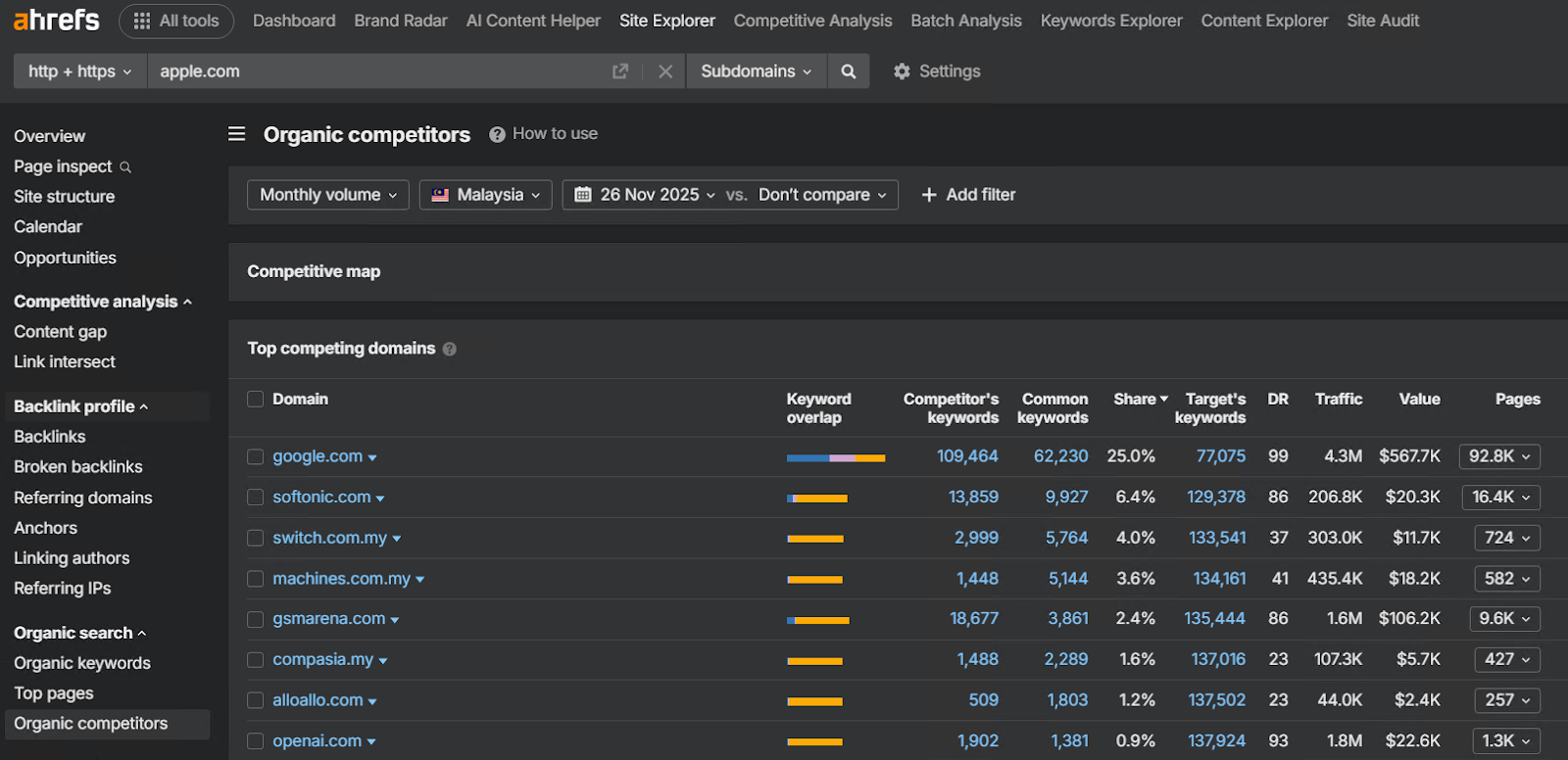
You can export this data into tables or dashboards for a closer look. For example:
Metric
Referring Domains
Top Keyword
Avg. Load Speed
Your Site
250
“low-carb recipes”
2.8s
Competitor A
430
“healthy meal prep”
2.1s
Looking at this, you can spot gaps to fill—like building out content for underused keyword clusters or speeding up your landing pages.
In practice, these comparisons guide smarter, evidence-based decisions that slowly but surely boost your site’s performance and authority.
Key Considerations When Choosing SEO Optimization Tools
Picking an SEO optimization tool isn’t just about features.
You’ll want to see how well it fits into your current workflow and whether it can scale as your goals get bigger.
Platform compatibility and flexible costs are huge. You don’t want to outgrow your tool six months in.
Integration With Existing Platforms
You need an SEO tool that plays nice with what you’ve already got.
If it integrates with things like Google Analytics, Google Search Console, and your CMS (WordPress, Shopify etc.), you can centralize insights and skip the manual data wrangling.
Poor integration is just a headache, forcing you to juggle data across systems.
Tools like Ahrefs and Semrush offer APIs and connectors, so you can pull keyword, backlink, and traffic data right into your dashboards.
Consistent reporting is a big deal too.
If your SEO tool hooks into your CRM or analytics, you can actually line up SEO data with leads and conversions, making it easier to prove value.
In bigger organizations, integration cuts down on data silos and helps marketing and tech teams work together, which is always a plus.
Pricing and Scalability
Pricing can get weirdly complicated. Some tools charge per user, others by tracked keywords or projects.
If you’re a small business, Ubersuggest or SE Ranking are affordable ways to start.
Enterprise users will probably want tiered plans from Moz Pro or SurferSEO with advanced analytics. It just depends on your needs.
Scalability matters more as your site and campaigns grow.
Make sure features like keyword limits, crawl capacity, and API access scale with your plan.
Transparent pricing helps you avoid nasty surprises when your traffic or campaign volume spikes.
Make yourself a quick comparison table before you commit:
Tool
Ubersuggest
Semrush
Moz Pro
Entry-Level Plan
Low monthly fee
Mid-range
Tiered pricing
Notable Scalable Feature
Keyword tracking expansion
API & project limits based on plan
Site crawl depth increases by package
Choosing a plan that grows with you is how you keep things productive without constantly switching platforms.
Our Top 3 Picks For Best Tools for SEO Optimization That We Actually Use
These are tools we use frequently, and we’re intimately familiar with the ins and outs of their functionality.
Whilst the other tools are still fantastic, these are the ones I’m personally biased towards.
1. Ahrefs

You can use Ahrefs for pretty much every step of your SEO process.
It’s good for keyword research, tracking rankings, and analyzing competitors in real time.
The data index is massive, so you get deep insights whether you’re a small team or a big enterprise.
It’s one of the more practical choices out there.
You can also monitor your brand visibility on traditional search engines and even AI-powered search tools and conversational models.
That’s handy if you’re curious about how your content shows up on new platforms—or where you might need to tweak things for better visibility.
Ahrefs is strong on technical SEO, too.
Automated site audits, broken link detection, and quick fixes mean you don’t have to wait on devs to solve every little issue.
The reporting tools are quick and customizable, so you get a clear performance snapshot without the usual dashboard headache.
More time for actual SEO strategy and applications.
For content teams, the AI-assisted workflow in AHREFS can spot content gaps and suggest focus areas based on real data.
That’s how you make material that matches search intent and keeps users engaged.
Highlights
Comprehensive keyword, backlink, and competitor data; AI-enhanced reporting and automation
Best for
Marketers optimizing content and tracking performance across search and AI platforms
Our rating
5
2. Surfer SEO
Surfer SEO is all about refining your content strategy and making data-backed updates that help you show up better in Google and even AI chat platforms.
It analyzes top-ranking pages and spots content gaps, so you can align your material with what search engines and AI assistants actually like.
The Content Editor is super clear about keyword use, structure, and readability.
That makes building optimized pages a lot less stressful.
Surfer AI speeds up content creation with ready-to-publish drafts, while tools like Auto Internal Links and Auto-Optimize do the heavy lifting for internal linking and fine-tuning.
It can assist with AI copywriting, creating a first draft for you to later optimize towards your intended audience.
If you’re managing a bunch of sites, the central dashboard (“Sites”) helps you monitor performance and run audits without bouncing between a million tabs.
The AI Content Detector is a nice touch, too—it flags machine-generated text and helps you keep your writing authentic.
Highlights
Comprehensive on-page optimization powered by AI
Best for
Content creators, SEO specialists, and marketing teams
Our rating
5
3. SE Ranking

SE Ranking gives you a full-featured SEO platform that’s built for accuracy, scalability, and ease of use.
You can track keyword performance with precise data, manage clients, and get a real sense of your digital visibility across both traditional and AI search.
The interface is straightforward, so you won’t get lost in endless menus or weird navigation.
If you’re running multiple sites or a creative agency, the client tools really do streamline your workflow.
You can track reports, share results, and use automation to cut down on repetitive tasks.
The Agency Pack even lists your services in a catalog to help attract new clients.
What stands out is the data reliability. Frequent database updates and secure storage mean you’re always working with fresh insights, not stale numbers.
The pricing is fair and scales well, so it’s accessible whether you’re a solo marketer or part of a bigger team.
Highlights
Accurate keyword tracking, client management features, AI visibility tools, scalable pricing
Best for
Agencies, marketing professionals, SEO teams
Our rating
5
10 More of the Best Tools for SEO Optimization
You probably know the big names in SEO already – for example Ahrefs, which I’ve mentioned already, is arguably one of the most well known tools available.
These other tools, though, can really refine your work and fill some pretty specific gaps.
Each one brings something practical to the table. They don’t flood you with unnecessary features.
I can only provide general tips, so I recommend you do your own research for these tools, and find out which one best fits your needs and budget.
4. SEMrush
SEMrush is basically an all-in-one SEO and marketing toolkit.
It consolidates keyword research, competitor tracking, technical audits, and content optimization in a single dashboard.
You get to monitor your online visibility and spot growth opportunities across several search engines and platforms.
If you work with clients or manage big websites, you’ll appreciate how accurate it is with keyword tracking and backlink analysis.
The platform’s huge database gives you reliable data on search volume, keyword difficulty, and how competitors are performing.
It also offers tools to uncover content gaps and analyze traffic potential, which really makes planning and reporting less of a slog.
SEMrush now integrates AI-driven forecasting and market insights, and you can predict traffic or ROI changes from updates to your campaign.
The SEO Writing Assistant supports SEO content writing by checking readability, SEO compatibility, and tone.
You can even manage PPC, social media, and local listings from the same interface, making it a true digital marketing solution.
Highlights
Comprehensive keyword, site, and competitor analysis tools; AI forecasting; integrated PPC and social media management
Best for
Marketing teams, agencies, and enterprises needing a data-rich SEO platform
Our rating
4.5
5. Moz
Moz lets you manage nearly every part of your SEO plan from one place.
You can find quality keywords, track your site’s rankings, and spot technical issues that might be holding you back.
The interface is straightforward, so you can focus on decisions that actually move the needle.
Moz Pro really shines with its keyword and backlink data.
You can uncover ranking opportunities, keep tabs on competitors, and fix on-site problems in the same dashboard.
Useful metrics like Domain Authority and Page Authority help you estimate how likely a page or domain is to rank.
For large-scale data tracking, STAT (under the Moz brand) monitors daily changes across thousands of search results.
That’s invaluable for agencies juggling multiple clients.
Moz Local, meanwhile, keeps local listings and reviews consistent across platforms.
That’s a must if you’re targeting nearby customers.
There’s a lot of educational support, too.
Moz Academy’s courses and the annual MozCon events help you sharpen your strategy with expert input—no more guesswork.
Highlights
Comprehensive SEO suite with keyword, link, and local tools
Best for
Marketers, agencies, and multi-location businesses
Our rating
4.5
6. Google Search Console
Google Search Console (GSC) gives you a direct look at how your site performs in Google Search.
You can see which queries bring visitors, check how often your pages show up in results, and spot areas for improvement.
It’s free, and it’s one of the most valuable platforms for monitoring your site’s visibility and performance.
GSC lets you spot indexing issues, test structured data, and view mobile usability reports. Here’s our own site’s metrics as an example:
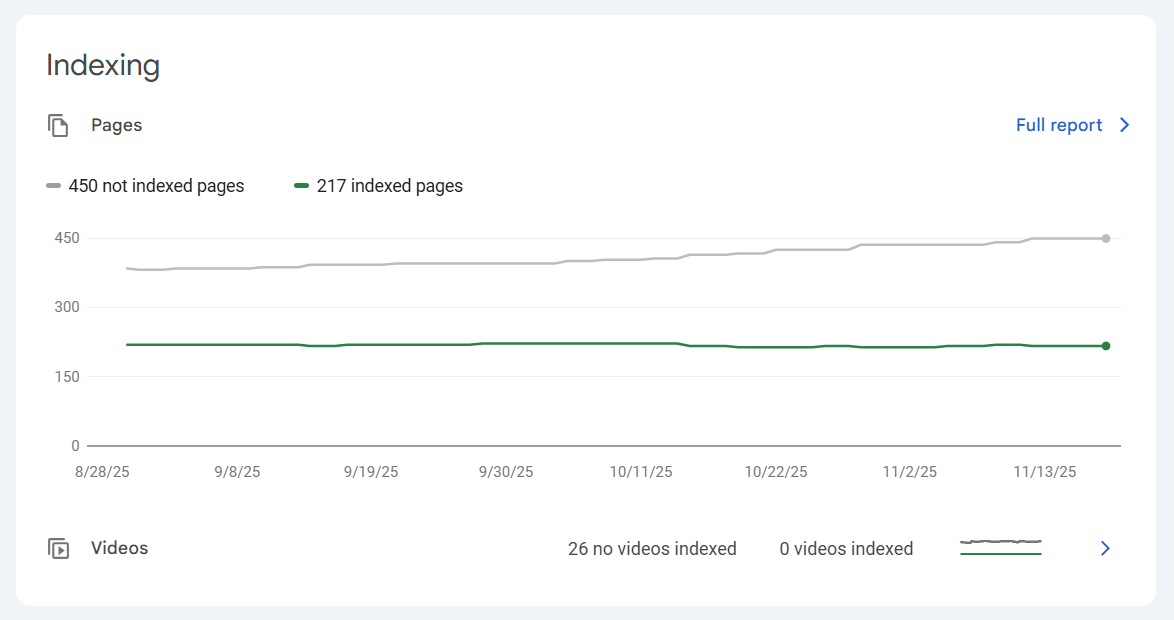
We have quite a number of unindexed pages – this is normal depending on what they are.
For example, we may have some articles (like this one!) that need another round of checks before we’re confident in publishing them.
These features help make sure your pages meet Google’s technical standards.
It also shows valuable metrics like impressions, clicks, and average position, so you can judge how well your SEO efforts are working.
From experience, reviewing your search performance weekly really makes a difference.
I’ve seen many sites fix long-standing errors or boost their traffic just by correcting small issues flagged here.
You don’t need to be an SEO expert to get value from it—just be consistent about checking and acting on the data.
Highlights
Free performance insights, indexing reports, and keyword data
Best for
Site owners and digital marketers monitoring Google visibility
Our rating
4.5
7. KWFinder
KWFinder helps you uncover long-tail keywords with low competition but solid search volume.
The interface makes it easy to compare keyword difficulty, volume, and trends at a glance.
It’s built for clarity, so you spend more time optimizing and less time learning the tool. KWFinder’s real strength is accuracy and usability.
You can research keywords by entering a term or by analyzing a competitor’s domain.
This makes it easier to spot content gaps and opportunities without a complicated setup.
The platform also gives you exact search volumes and trend data, which is great for planning seasonal or local campaigns.
If local SEO is important to you, KWFinder covers over sixty thousand locations.
You can filter keyword results right down to the city or regional level.
Pricing starts at an accessible rate through Mangools, so it’s manageable for freelancers, startups, and small teams.
Highlights
Easy-to-use interface, accurate keyword data, local SEO insight, competitor research
Best for
Marketers and creators who need reliable keyword research without complexity
Our rating
4
8. Ubersuggest
Ubersuggest gives you a full set of SEO tools for keyword research, content planning, and technical analysis.
Created by Neil Patel’s team at NP Digital, it’s grown into a reliable choice for beginners and small businesses looking for approachable SEO solutions.
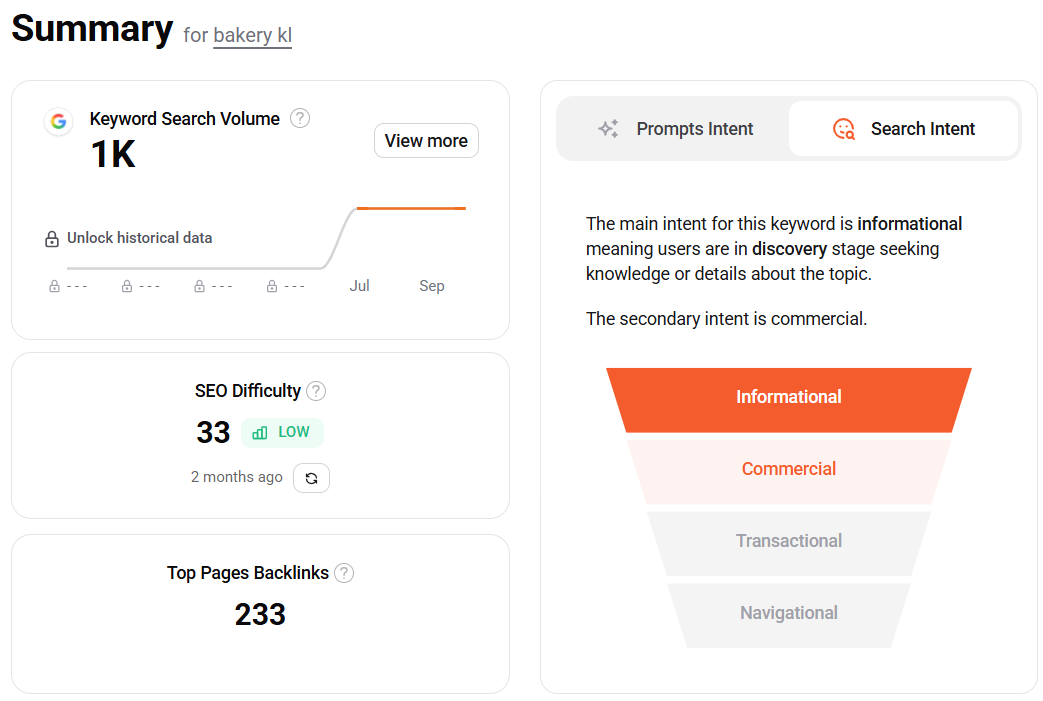
You can explore keywords, track rankings, and evaluate competitors without needing advanced expertise.
Its AI-powered keyword engine uses big datasets to estimate search volume, intent, and ranking difficulty.
This helps you find content opportunities faster and plan your next articles based on actual demand.
The site audit function spots SEO or coding issues, and the content gap tool points you toward topics your competitors already rank for.
In my experience, Ubersuggest also offers one of the most accessible free plans out there.
The lifetime license is a big advantage—you avoid recurring subscription costs.
The interface stays clean and responsive, which makes it easier to test changes and keep an eye on growth over time.
Highlights
Keyword and content research, site audits, AI-based insights, lifetime pricing option
Best for
Beginners, small businesses, and solo marketers
Our rating
4
9. SpyFu
SpyFu is all about helping you understand your competitors’ search strategies.
You can see what keywords they rank for, which ads they’ve run, and how they’ve performed over time.
This lets you refine your own campaigns with real performance data instead of just guessing.
SpyFu blends SEO and PPC analytics, revealing both organic keyword rankings and paid search insights.
That makes it ideal for marketers juggling hybrid campaigns. The interface is straightforward, though the sheer amount of data can feel a bit dense at first.
I’ve used SpyFu to spot overlooked keywords that competitors quietly benefit from.
That kind of insight helps you target profitable search terms while avoiding wasted spend on ineffective ones.
It’s especially valuable if you’re focused on cost efficiency in PPC or want to improve existing SEO strategies.
Highlights
Competitor keyword tracking, PPC and SEO insights, historical data
Best for
Small to mid-sized businesses and marketers focused on competitive analysis
Our rating
4
10. Majestic
Majestic helps you understand your website’s backlink health in pretty precise detail.
It measures things like Trust Flow, which shows the quality of your links, and Citation Flow, which counts how many links point to your site.
When your Trust Flow beats your Citation Flow, your backlinks usually come from more credible domains.
Majestic also offers Topical Trust Flow, which highlights how relevant your site is within specific niche categories.
This helps you see what kinds of sites are linking to you and adjust your outreach for more topical authority.
Visibility Flow takes it further by pointing you toward editorial-style links that can add lasting value.
For advanced users, the Author Explorer feature is a strong addition. It lets you dig into web authors, their link profiles, and even their social timelines.
Combine that with Majestic’s robust API, and you can integrate its massive datasets into custom SEO apps or dashboards.
That saves time and boosts your analysis efficiency.
Highlights
Trust Flow, Citation Flow, Topical Trust Flow, Author Explorer, API integration
Best for
Link analysis and domain authority tracking for SEO professionals
Our rating
4.5
11. Answer The Public

AnswerThePublic is great for uncovering what people are actually asking online.
It grabs autocomplete data from search engines and turns it into visual maps of real-world search queries.
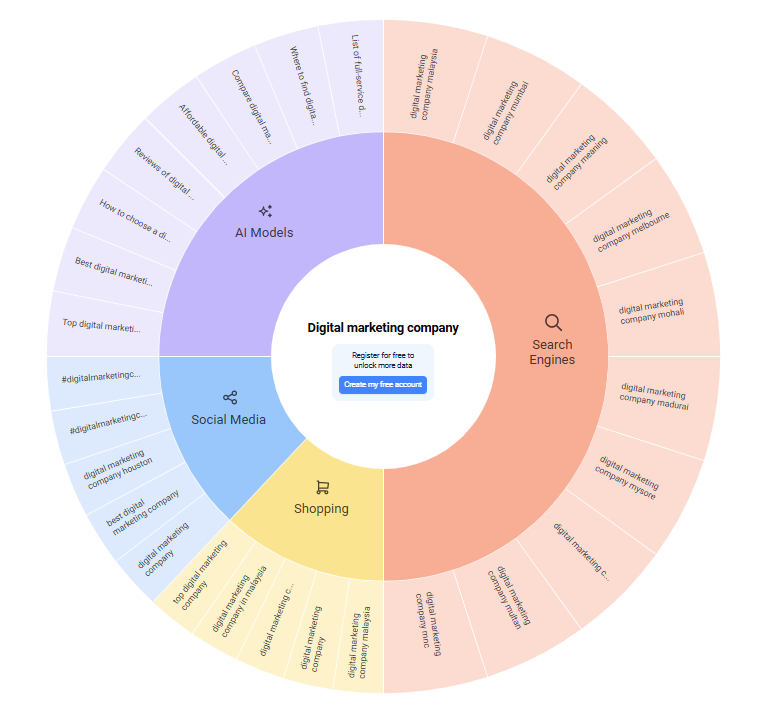
You can instantly see which questions or phrases people use around your chosen topic. Using this tool gives you a direct window into how your audience thinks.
No more guessing—you get keywords and content ideas that already have proven interest.
This helps you plan blog posts, FAQs, or product descriptions that speak directly to real search intent.

Marketers often use it to find untapped niches and keep an eye on shifts in search behavior over time.
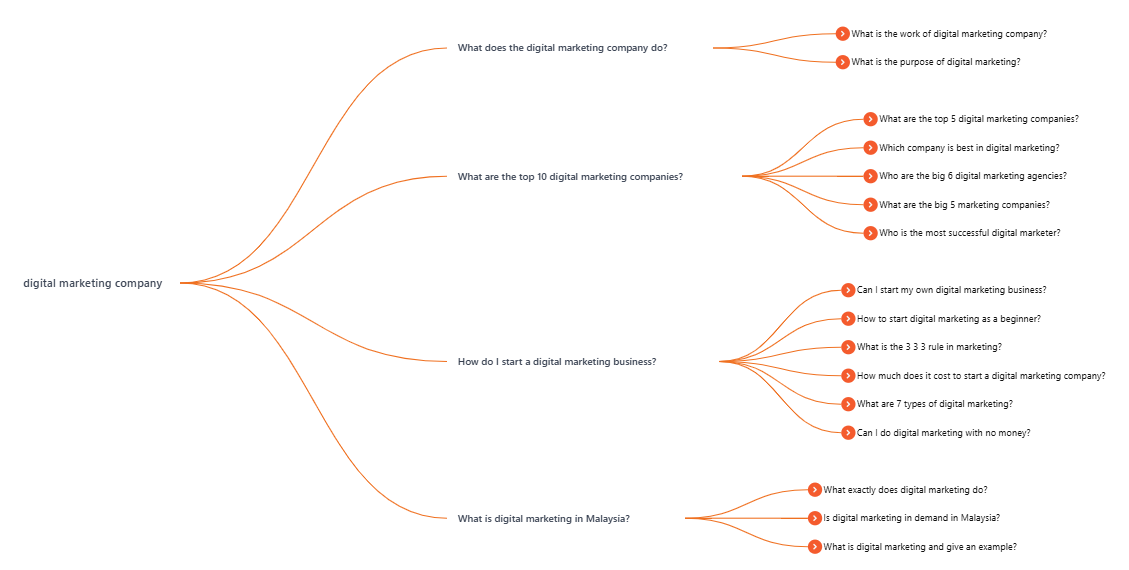
It’s a practical way to refresh your content calendar, track emerging topics, and optimize your site for relevance without spending hours on manual research.
However, it does not directly assist with your SEO efforts, only your research, so keep that in mind if you are considering this tool.
Highlights
Visual keyword maps, trend monitoring, search intent insights, and idea generation
Best for
Content creators, SEO strategists, digital marketers
Our rating
3.5
12. Woorank

You can use WooRank to analyze your website’s SEO performance.
It gives you clear, actionable recommendations for improvement—no fluff, just what you need.
It generates reports that help you spot technical issues, content gaps, and accessibility concerns.
Sometimes the obvious stuff gets missed, so these reports can be a wake-up call.
The tool guides you through what matters most—fixing errors that impact search visibility and user experience.
For agencies, WooRank’s API tools make large-scale monitoring practical.
You can run detailed analyses across multiple domains, benchmark performance, and automate reports to save time.
These capabilities help teams align goals and maintain consistent quality across clients. It’s not always glamorous, but it works.
WooRank also highlights accessibility compliance, helping you assess if your site meets ADA and WCAG standards.
Improving accessibility doesn’t just avoid legal headaches—it actually expands your audience.
As SEO and user experience overlap more each year, this feature becomes increasingly useful.
Highlights
Comprehensive SEO audits, keyword tracking, accessibility checks, API for agencies
Best for
Digital marketing teams, agencies, and small businesses improving site quality
Our rating
4
13. Authority Exchange
Authority Exchange gives you a structured, credit-based way to build backlinks—no awkward negotiations or direct payments.
The marketplace connects you with verified site owners, content creators, and link builders who are actually ready to exchange high-quality contextual links.
It’s a more efficient method to strengthen your website’s authority through trusted collaboration instead of endless cold outreach.
You earn credits by linking to other verified sites, then spend them to secure backlinks for your own domain.
Credits scale with the domain rating of the sites you link from, so link quality is transparent and measurable.
This approach helps maintain fairness while encouraging users to contribute strong, permanent links that stay live over time.
Each participant goes through a screening process to ensure credibility.
Only users who can prove they control legitimate, active domains can trade links.
This policy keeps the marketplace focused on building value rather than chasing volume.
Highlights
Fair, credit-based link trading system with vetted members
Best for
SEO professionals, content marketers, and publishers seeking safe link exchanges
Our rating
4.5
Conclusion
Tool
Best For
Our Rating
Ahrefs
Marketers optimizing content and tracking performance across search and AI platforms
5
Surfer SEO
Content creators, SEO specialists, and marketing teams
5
SE Ranking
Agencies, marketing professionals, SEO teams
5
SEMrush
Marketing teams, agencies, and enterprises needing a data-rich SEO platform
4.5
Moz
Marketers, agencies, and multi-location businesses
4.5
Google Search Console
Site owners and digital marketers monitoring Google visibility
4.5
KWFinder
Marketers and creators who need reliable keyword research without complexity
4
Ubersuggest
Beginners, small businesses, and solo marketers
4
SpyFu
Small to mid-sized businesses and marketers focused on competitive analysis
4
Majestic
Link analysis and domain authority tracking for SEO professionals
4.5
Answer The Public
Content creators, SEO strategists, digital marketers
3.5
Woorank
Digital marketing teams, agencies, and small businesses improving site quality
4
Authority Exchange
SEO professionals, content marketers, and publishers seeking safe link exchanges
4.5
Your SEO toolkit really shapes how efficiently you can analyze, optimize, and track your site’s performance.
Each tool—from comprehensive systems like Ahrefs and SEMrush to leaner options for on-page checks—brings its own strengths to the table.
The goal isn’t to use every tool out there. It’s about figuring out which ones actually fit your priorities and the way you like to work.
AI plays a bigger role than ever now. Tools automate things like keyword grouping, content scoring, and link audits—sometimes it feels almost too easy.
That convenience saves you a ton of time, but it can become a trap if you just trust AI outputs without adding your own judgment.
Experienced professionals can spot when the tone or structure starts feeling a bit too algorithmic instead of genuinely human.
When you’re evaluating SEO platforms, there are a few practical points worth considering:
Factor
Accuracy
Why It Matters
Reliable data builds trust in your decisions.
Factor
Integration
Why It Matters
Smooth connections with analytics and CMS tools reduce friction.
Factor
Usability
Why It Matters
A clear interface helps you act on insights quickly.
Factor
Support
Why It Matters
Good documentation and community threads speed up problem-solving.
You can achieve meaningful growth by combining automation with your own strategic judgment.
Keep refining your stack. Build processes that let technology help you, but don’t let it replace your critical thinking.
In SEO, your best asset is still your ability to interpret data and make informed, deliberate choices.
Not confident in your own judgment? No worries, One Search Pro is here to help.
We have extensive experience improving SEO for various clients, tailoring content and technical SEO to improve organically.
Our services will allow you to focus on what makes your brand tick, while we bring your content to your audience.