
SEO For Construction Companies: 10 Strategies To Build A Strong Online Presence
1 December 2025
A strong online presence can really set your construction business apart in a crowded industry.
Clients searching for trusted contractors almost always start on Google, and your visibility there directly affects who they call first.
SEO helps your construction company attract more qualified leads and build long-term trust with local clients who need your services.
You’ll get a feel for the challenges of ranking in search, plus some techniques for improving your visibility.
There are ways to measure success in a competitive market, too.
By focusing on practical strategies—like creating detailed service pages, earning credible backlinks, and optimizing for local search—you can position your business as the go-to name in your area.
Each improvement you make strengthens your reputation and paves the way for steady growth.
Key SEO Challenges For Construction Companies
Competing firms usually target the same service-based keywords and geographic areas, which makes ranking tougher than you’d think.
Optimizing how clients actually search online—by service type, urgency, or location—can be the difference between showing up first or being buried underneath competitors.
If you’re worried your site isn’t up to scratch, looking for the best website builder for SEO can help give you a running start.
Overcoming Industry-Specific Competition
High competition is one of the biggest hurdles in construction SEO.
Tons of companies go after the same high-value keywords like “contractor” or “home renovation services.”
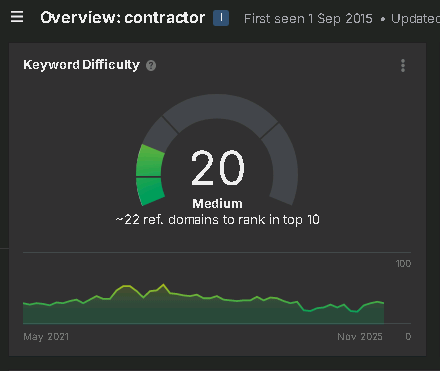
These terms attract a lot of traffic, but also a ton of rivalry.
To stand out, try focusing on specific service niches—think “commercial roofing contractor in Cyberjaya” or “custom kitchen remodeling.”
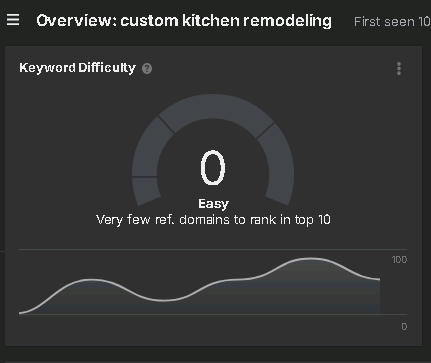
You can gain ground by creating detailed service pages that answer real client questions and show off your expertise.
Search engines love content that provides value, so case studies, project photos, and concise testimonials help establish your authority.
A well-structured site architecture matters, too.
Use a consistent URL format and internal links that help both visitors and Google understand your hierarchy.
Avoid overlapping topics on separate pages; it just dilutes your keyword relevance.
Usually, a handful of focused, high-quality pages will beat dozens of thin or repetitive ones.
Addressing Location-Based Search Intent
Most construction firms live and die by local leads, so aligning your SEO with location-based search intent is absolutely critical.
Prospective clients almost always include a city or region in their search—like “plumbing contractor near Puchong.”
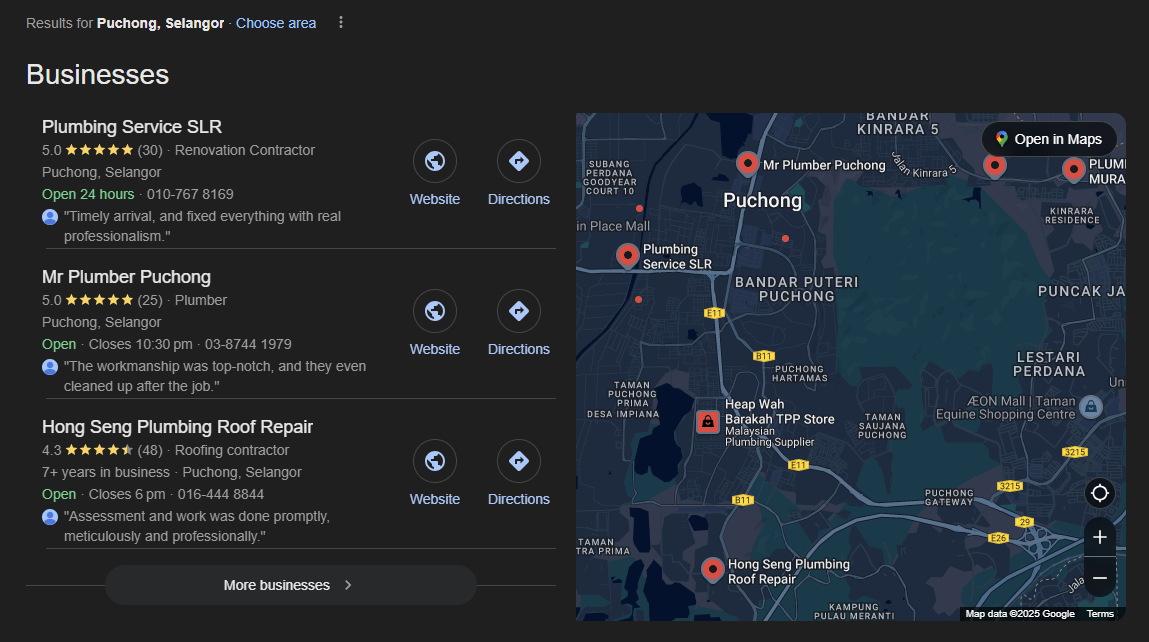
If your website doesn’t clearly signal your service areas, you’re missing out on those local impressions.
Set up and regularly update your Google Business Profile. Make sure to include accurate contact details, service categories, and photos.
Collect reviews from confirmed clients and respond promptly to feedback—good or bad. Search engines see this as a sign of trustworthiness.
Embedding maps, listing service areas in structured data, and keeping your NAP (Name, Address, Phone) info consistent across directories all help boost your visibility.
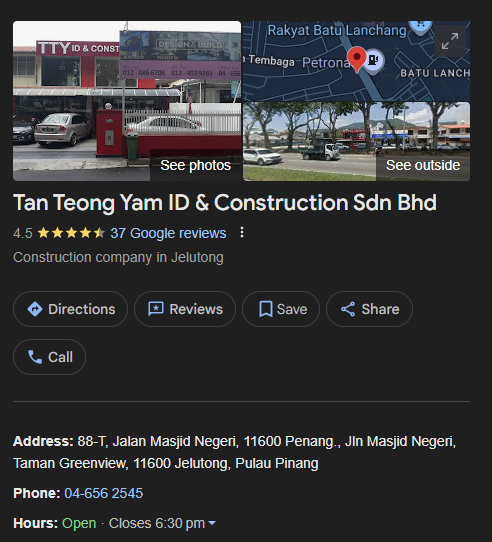
Proper local targeting means people searching nearby actually find your business—not just some competitor across town.
Measuring SEO Success In The Construction Industry
Effective SEO management needs measurable results. You can only improve performance if you know which metrics drive qualified leads and which areas need more attention.
Reliable data reveals whether your website brings in the right visitors and actually converts them into real business opportunities.
Key Performance Indicators
Your ability to evaluate SEO success depends on tracking specific performance metrics.
Start with organic traffic—if it’s steadily increasing, search engines are recognizing your relevance.
Pay close attention to the source of that traffic. Local visitors are a good sign your targeting lines up with your construction markets.
Keyword rankings show how well your website performs against competitors for industry terms.
Focus on phrases like “commercial renovation contractor near me” instead of generic keywords that mostly attract less qualified leads.
Monitor ranking trends, not just isolated numbers, to get a sense of consistent growth.
Lead-based metrics matter just as much. Conversion rate tells you how well you’re turning visitors into clients.
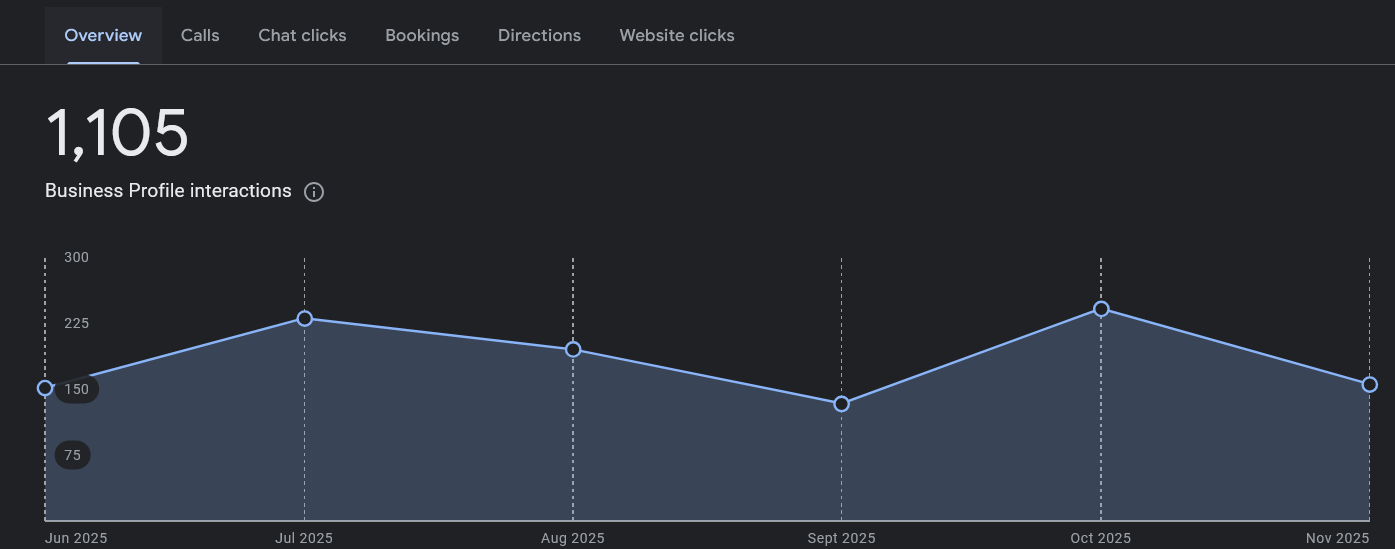
Combine that with data from local listings, like clicks on your Google Business Profile, to measure real engagement.
A lot of construction firms skip this step and miss out on insight into their lead quality.
Tracking And Analytics Tools
Accurate reporting tools make performance measurement way less of a guessing game.
Google Analytics 4 gives you data on site behavior, conversions, and demographic patterns.
Link it with Google Search Console to track impressions, click-through rates, and indexing issues that can affect your ranking.
Dedicated SEO platforms like SEMrush, Ahrefs, or Moz Pro help you keep an eye on keyword visibility, backlink health, and competitor positioning.
For local SEO, tools like BrightLocal, Whitespark or Google Business Profile (GBP) show how you’re doing in map packs and regional search results.
The simplest of these in my opinion is GBP, but that doesn’t discredit how valuable it is.
You know that little snippet that shows information about a company on the results page? That’s what it controls.
You can track interactions with your profile – how many searchers are clicking on it, how many are looking at directions etc.
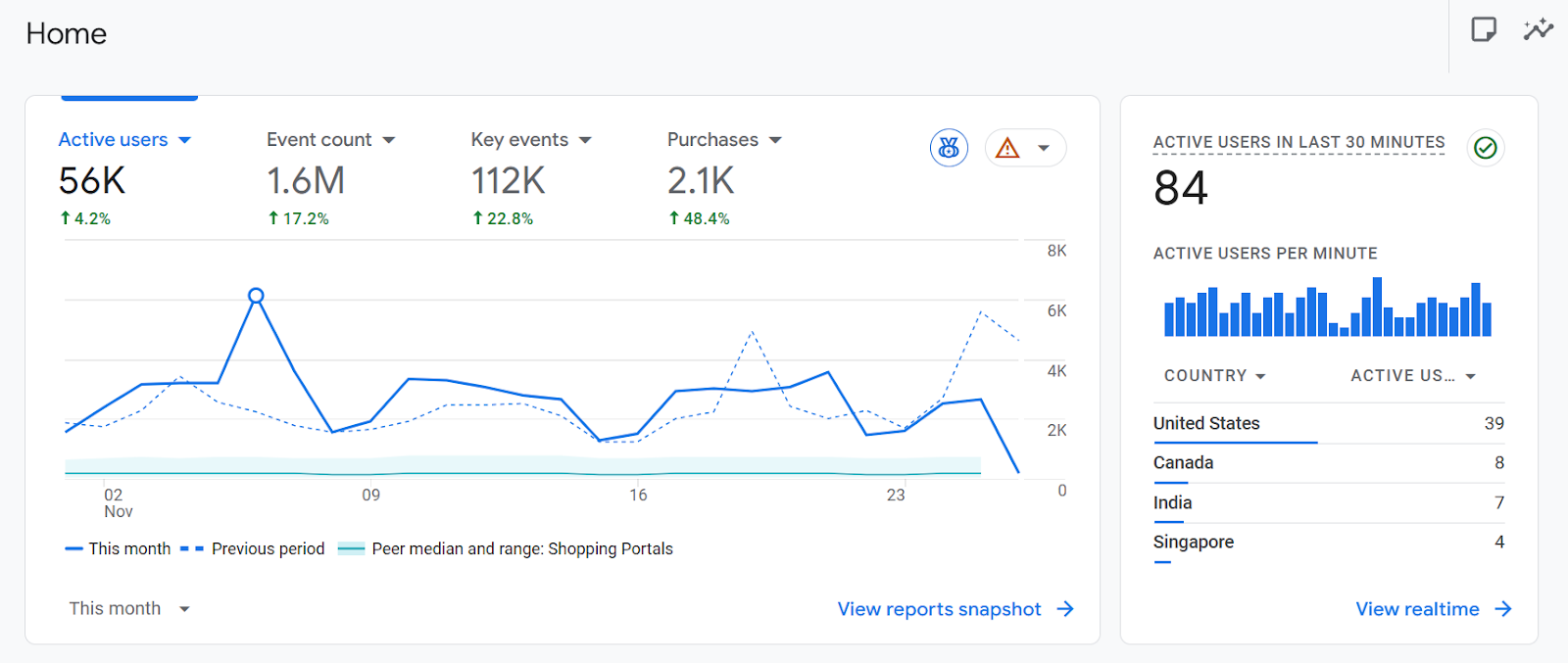
If you can’t afford some of the premium tools, free SEO tools such as Google Analytics 4 can still provide you with detailed insights at the best price point – nothing.
You can view statistics such as active users, their activity, and their purchases to better understand which parts of your site drive the most traffic.
There are plenty of free resources available to learn how to navigate the platform and take away key insights – provided by Google themselves.
Set up clear dashboards that only display the metrics that matter for your business goals.
Too many data points can just distract you from what really counts—visibility, engagement, and lead generation.
Measuring consistently keeps your SEO efforts pointed toward actual business growth.
Here Are Our 10 Tips to Improve SEO for Construction Companies
Many businesses focus too much on their services and end up neglecting their SEO.
Your product or content can be the best in the world, but you need people to actually know that.
Proper SEO can elevate your business from great to truly one of the best, growing your brand in a way that matters.
1. Optimize For Local Search With Google Business Profile
Your Google Business Profile (GBP) is basically the foundation of local SEO for your construction company.
It helps your business show up in Google Search, Maps, and the local pack—prime spots for attracting nearby clients.
When people look for construction services in your city, a complete and accurate GBP can be the difference between getting a call or being totally overlooked.
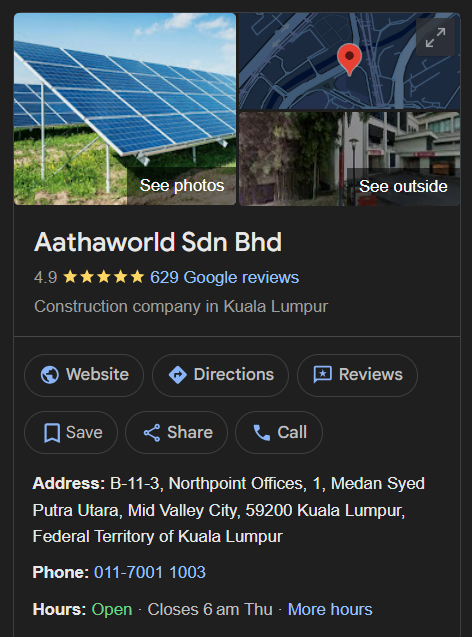
Start by verifying your profile and making sure your business name, address, and phone number are consistent everywhere.
Upload clear photos of your projects, your team, and your office.
Visual proof of your work builds trust fast, especially for potential clients comparing options in the same area.
Include relevant keywords like “construction company in [your city]” in your business description.
This simple step helps align your profile with location-based searches.
Encourage happy clients to leave reviews, and respond to them regularly. Active engagement signals reliability and keeps your listing fresh in Google’s eyes.
Finally, post updates or completed projects directly to your profile.
These updates show you’re active and keep your business visible to anyone checking out local contractors.
2. Use Construction-Specific Keywords In Titles And Headers
When you’re writing titles and headers, use terms that directly describe the construction services you offer.

Search engines rely on these elements to understand context, so placing relevant keywords here gives your pages a stronger signal of what they’re about.
For example, “Commercial Building Contractors in KL” is way more effective than just “Our Services.”
Think of your headers as navigation points for both users and search engines.
A clear H1 or H2 using construction-specific phrases—like “Residential Renovation Services” or “Concrete Foundation Experts”—helps searchers quickly confirm they’re in the right place.
It also helps search engines associate your page with valuable local and industry-specific terms.
Small adjustments in wording can lead to noticeable ranking bumps. Consistency matters more than keyword stuffing.
Use variations naturally throughout your content, keeping a balance between readability and optimization.
When your titles and headers read clearly and include relevant terms, your site feels professional and targeted—exactly what both users and algorithms want.
3. Create Detailed Service Pages For Each Construction Niche
You’ll really strengthen your SEO by giving each service its own page.
When you create individual pages for roofing, remodeling, commercial construction, or ADU projects, search engines can better match your business to specific customer searches.
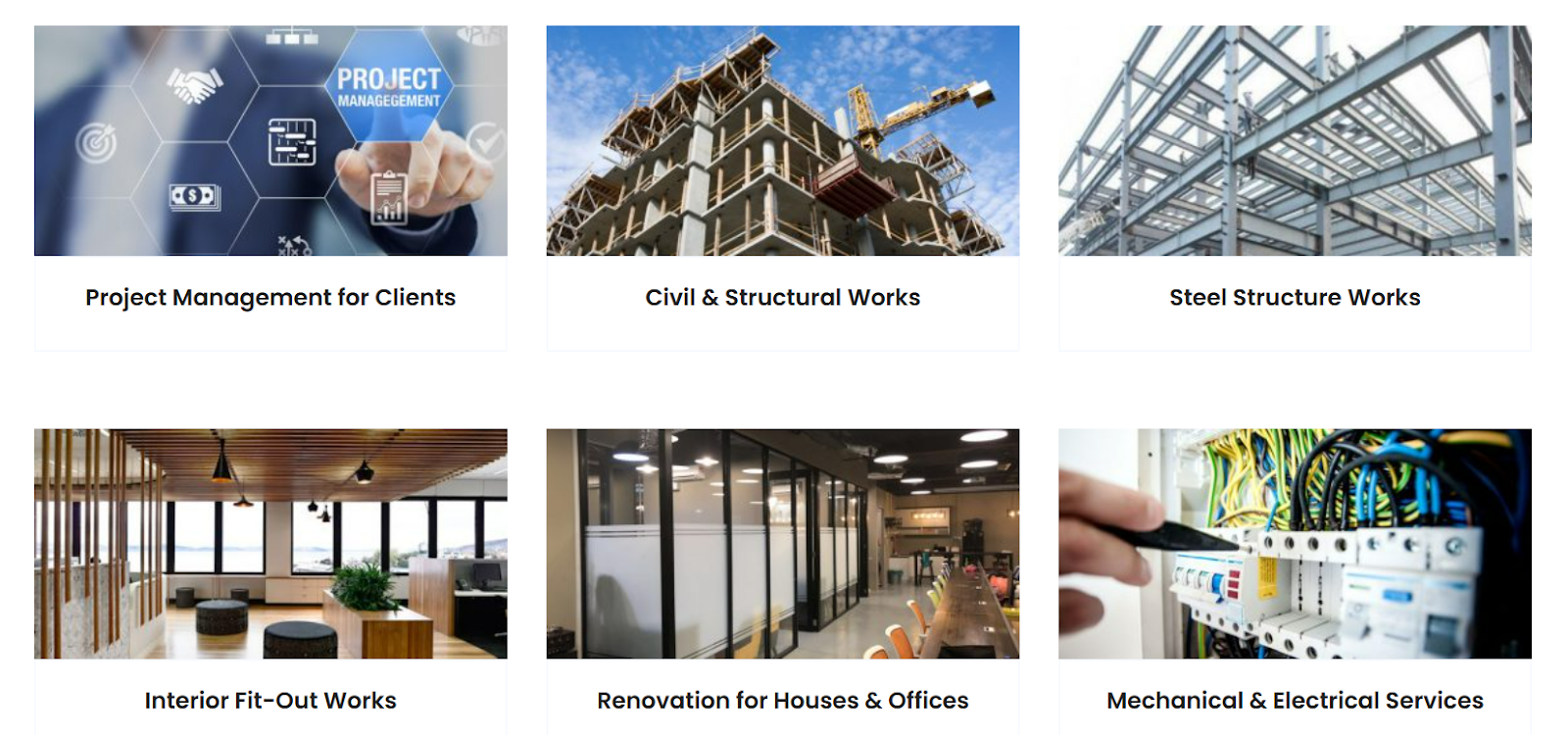
Each page should clearly describe the work, methods, and results clients can expect.
Focus each page on one main keyword, supported by natural, related terms.
For example, a “kitchen remodel contractor in Kepong” page should mention kitchen design, local requirements, and common client goals.
This approach helps attract people looking for that exact service in your area.
Add photos, client stories, and process overviews if you can. These details show your expertise and build trust with visitors.
I’ve seen builders who outline their step‑by‑step process rank higher and convert more visitors simply because the content feels informative and reliable.
Keep your layout simple, with clear headings and contact options.
Every service page should help searchers find what they need and make it easy to reach you when they do.
4. Publish Project Case Studies With Images And Client Testimonials
Sharing real project examples helps potential clients understand what you can actually deliver.
When you publish detailed case studies, you show your process, results, and professionalism in a format that builds trust.
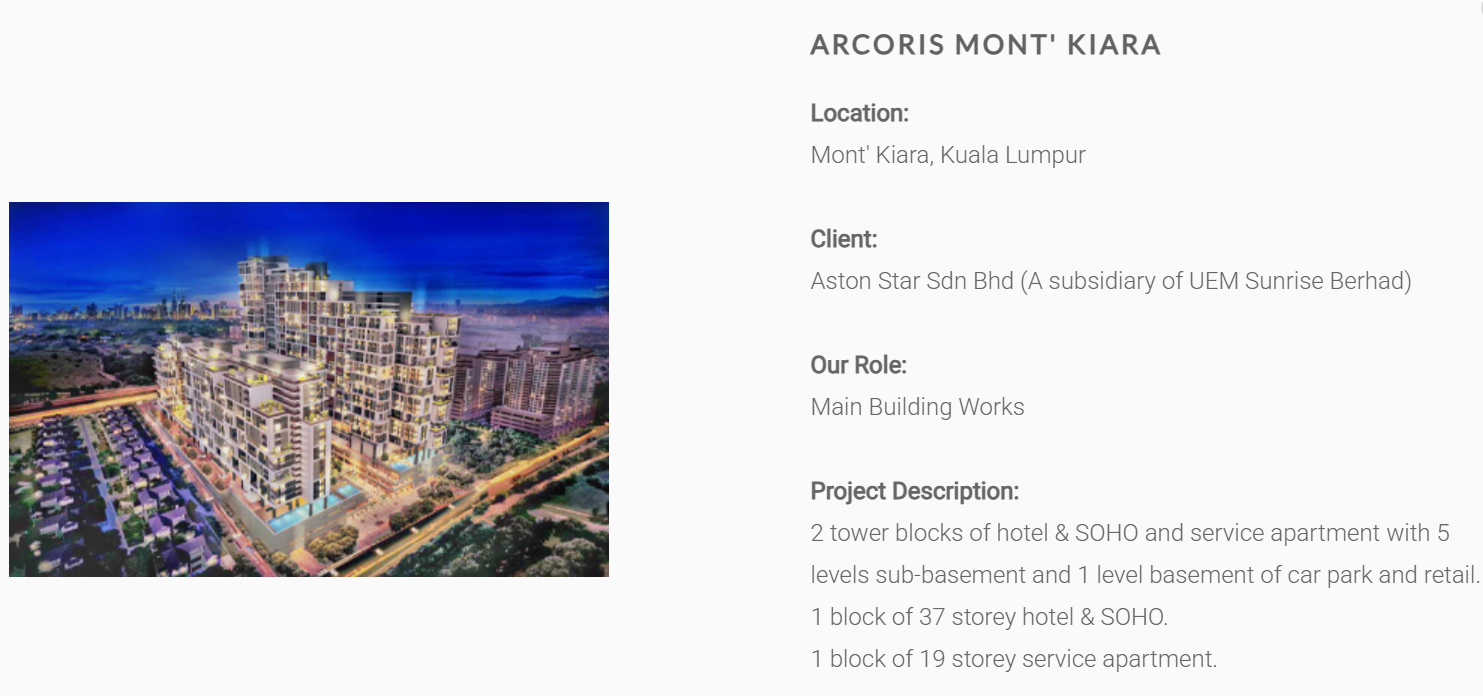
It’s not just about before-and-after photos—it’s about showing measurable results, like cost savings, timelines met, or design improvements.
Use high-quality images taken during and after construction. Clear, well-lit visuals help visitors see the precision of your work and the quality of materials used.
Pair every image with a short explanation that highlights your role, decisions made, and the problem solved for the client.
Include genuine testimonials from clients who experienced the project firsthand.
Even a short quote about communication, reliability, or craftsmanship can influence potential buyers.
When you combine technical details, visuals, and client experiences, your website becomes a credible portfolio and an SEO asset that signals authority to search engines.
5. Ensure Mobile-Friendly And Fast-Loading Website Design
Your website absolutely has to work smoothly on mobile devices.
Many clients search for construction services from their phones, so if your site’s clunky or slow, you’ll lose leads in seconds.
A responsive layout that adapts to screen sizes ensures visitors can access your content easily.
Speed’s a big deal, too. Search engines favor fast-loading pages because they improve user experience.
You can boost load times by compressing images, minimizing code, and using reliable hosting. Slow pages frustrate users and drive up bounce rates.
Keep navigation simple and buttons large enough for touch screens.
Clear menus and readable text make it easier for potential customers to find project details or contact info.

I’ve seen contractors improve conversions just by making forms and calls-to-action more mobile-friendly.
Test your site regularly using tools like Google’s PageSpeed Insights.
Monitoring real-world performance helps you spot areas slowing down the experience.
Consistent updates keep your site efficient as technology and user habits evolve.
6. Build Backlinks From Industry-Related Websites And Directories
Backlinks are still one of the strongest signals search engines use to11111 judge credibility.
Getting links from industry-related websites shows your construction business is trusted by others in the field.
Focus on relevance instead of chasing sheer volume. Local SEO link building is important but a minimum bar of quality is vital to maintain.
Start by submitting your business to reputable construction directories and local trade associations such as Master Builders Association Malaysia.
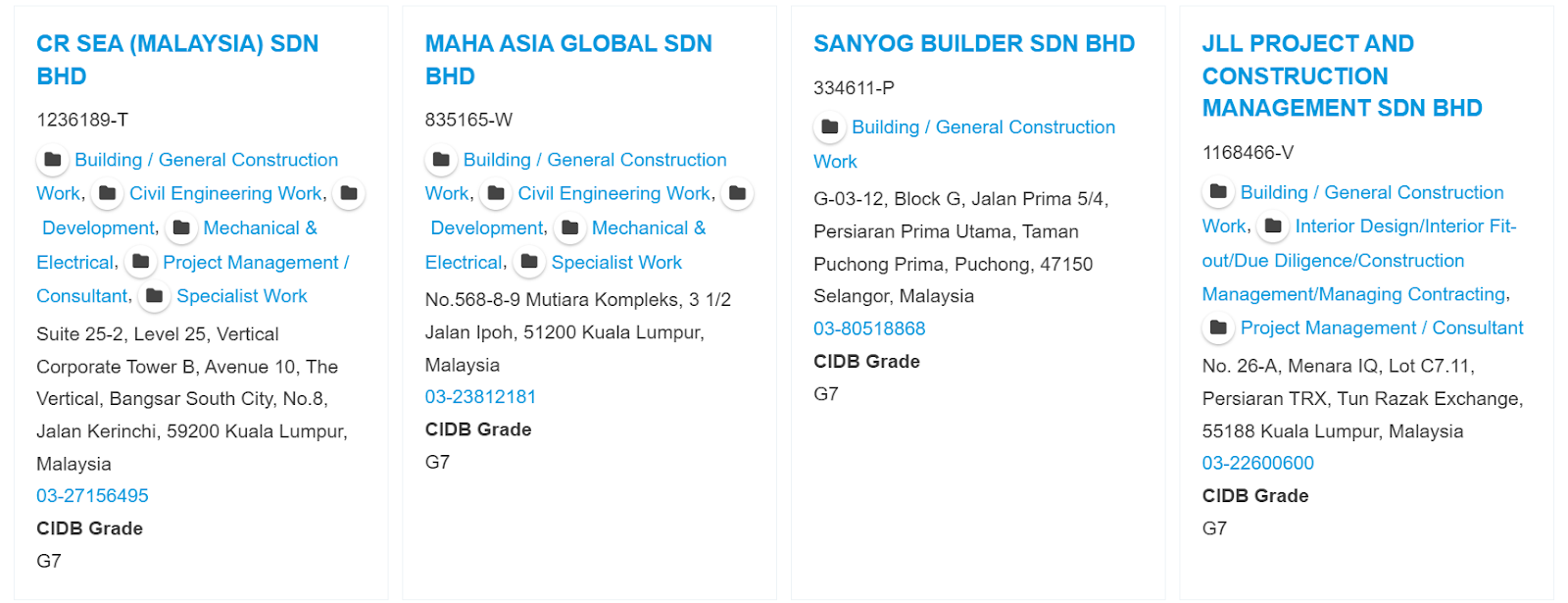
Listings on regional builder networks can bring both traffic and authority. I’ve seen companies get steady leads from these sources over time.
Collaborate with other professionals for guest posts or expert contributions.
When you share genuine insights on an architecture blog or a supplier’s website, you build authority naturally.
It also introduces your brand to new audiences who already value construction expertise.
Be selective about partnerships. Aim for sites known for quality content and legitimate traffic.
A handful of contextually relevant links from respected industry resources will always outperform dozens of unrelated backlinks.
7. Implement Schema Markup For Local Business And Projects
You can help search engines understand your construction company better by using schema markup.
This structured data highlights key info like your location, services, reviews, pricing range, and contact details.
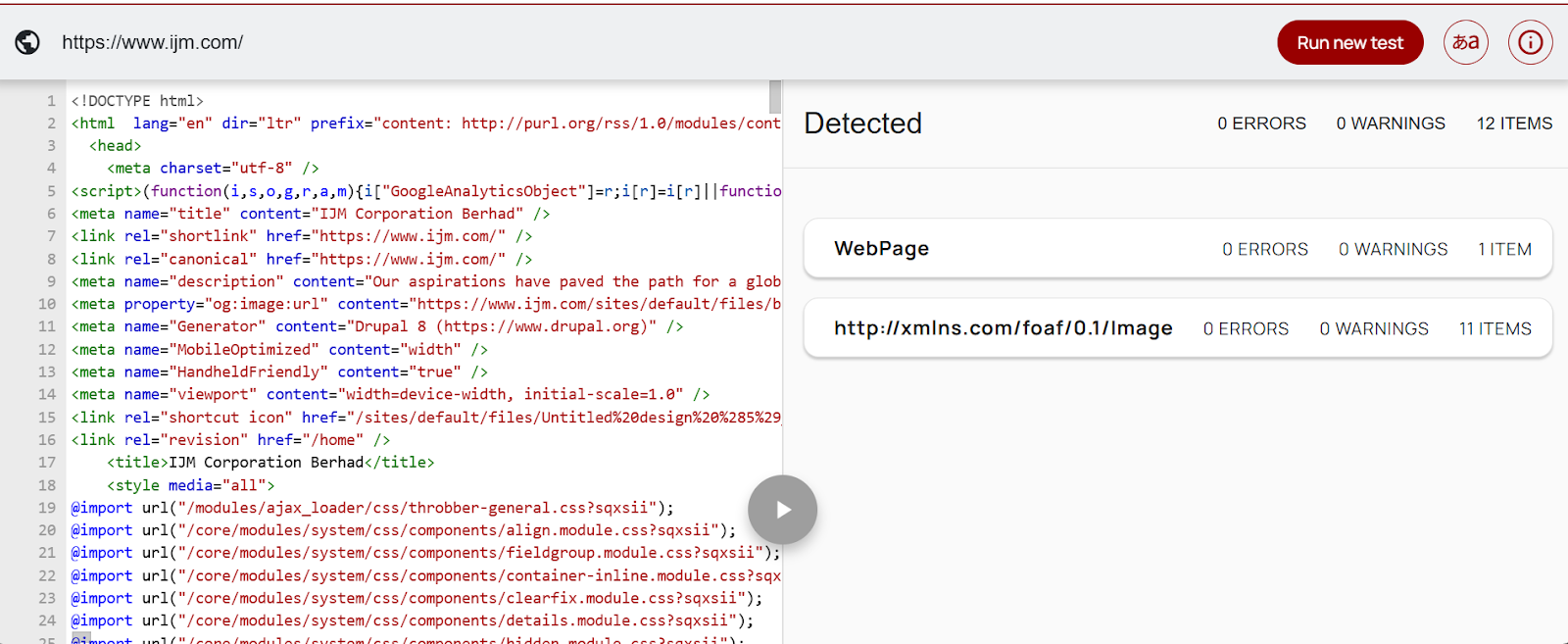
When properly implemented, it can improve how your business appears in local search results and boost your chances of showing rich snippets with useful details right in search results.
Schema markup also supports your local SEO efforts by giving Google clear context about your projects and service areas.
If you’ve completed residential or commercial construction work in certain cities, mark those projects with structured data.
This shows search engines both the geographic areas you serve and the types of jobs you handle.
I’ve found schema markup especially valuable for companies trying to stand out against bigger contractors online.
Simple code updates can make sure customers searching for “roof repair near me” or “commercial builder in Damansara” see accurate, trustworthy data tied to your business.
When search results display project ratings, business hours, and location info, it makes your listing more credible and useful to potential clients.
8. Leverage Online Reviews To Boost Credibility And Rankings
Online reviews play a major role in how clients see your construction company.
People often trust the opinions of past customers more than any marketing message you could write.
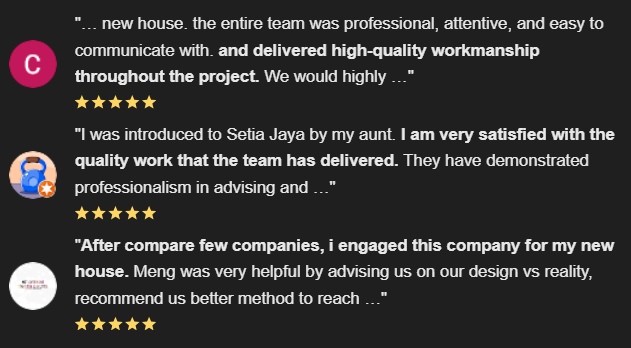
Search engines notice this trust signal, too, rewarding companies with active and positive review profiles.
Encourage satisfied clients to leave detailed feedback on platforms like Google Business Profile, Yelp, or industry directories.
Ask soon after a project wraps up—when the experience is still fresh in their minds.
This timely approach usually leads to higher response rates and more authentic comments.
Respond to every review, whether it’s glowing or critical.
A polite, professional reply to criticism shows transparency and a real commitment to customer service.
It also tells search engines your business actively engages with its audience.
Make reviews part of your content strategy. Display select testimonials on your website, and include review snippets in search results with structured data markup.
This boosts visibility, builds credibility, and improves your click-through rate.
Consistent engagement with reviews helps your construction company strengthen local SEO. Over time, it supports a stronger reputation that attracts more qualified leads.
9. Regularly Update Content With Construction Trends And Regulations
Your website really ought to reflect what’s actually happening in the construction industry right now.
Search engines tend to prefer fresh, relevant info, and clients just trust businesses that seem up to date.
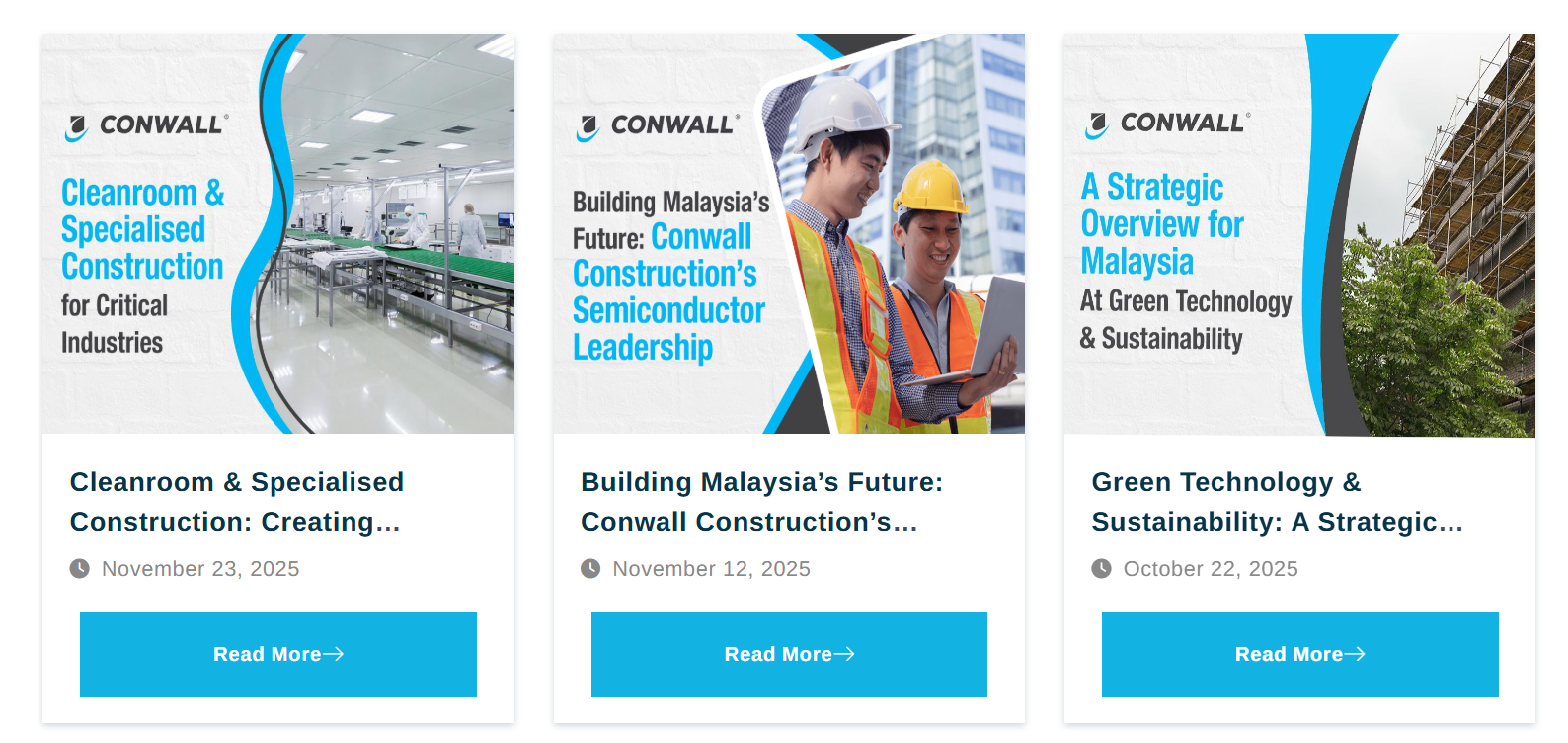
Updating your content about materials, methods, and new regulations—yeah, it helps with credibility and visibility.
When local or national codes change, go back and revise your blog posts or service pages to mention the new standards.
For example, if some new energy-efficiency requirement pops up, talk about how your company is handling it.
This keeps your content accurate and shows potential clients you actually follow industry best practices. People notice that stuff, even if they don’t say so.
You might want to highlight recent design approaches or buzzworthy tech like modular construction or sustainable materials.
That sort of thing positions your brand as forward-thinking—plus, it attracts niche traffic from professionals searching for those topics.
Set a reminder to review your online content every few months.
Even tiny edits—maybe some current data, photos of recent projects, or a few fresh keywords—let search engines know your site isn’t collecting dust.
Continuous content updates give you a long-term edge in search rankings and trustworthiness. It’s a bit of work, but it pays off.
10. Use Geo-Targeted Landing Pages For Different Service Areas
Create separate landing pages for each city or neighborhood your construction company serves.
It helps search engines figure out your local relevance, and it makes it way easier for nearby customers to find you.
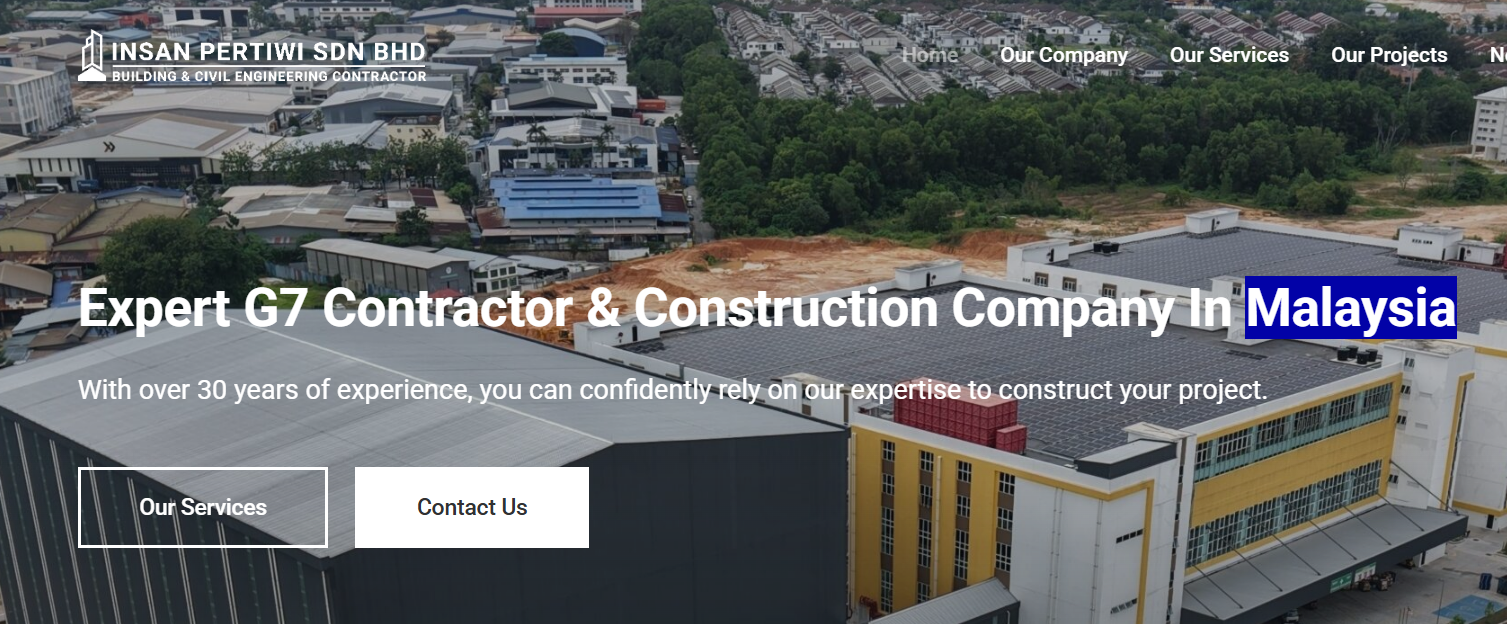
Each page should clearly describe your services in that specific area.
Make sure to use the local keywords people are actually typing in—not just what sounds good to you.
Add location details like city names, service area maps, and even local testimonials if you can get them.
Those small touches build trust and show potential clients you’ve got real experience in their community.
You could also toss in project photos or case studies to show off your past work in that region. It just feels more genuine that way.
Don’t copy-paste the same text across multiple pages—search engines aren’t fans of that, and neither are real people.
Unique, localized content always does better and helps you avoid duplicate content headaches.
When you build geo-targeted landing pages with real intention, they can seriously boost your visibility across multiple areas.
Conclusion
Effective SEO for construction companies? It’s all about steady effort and sweating the details.
Your website needs to show off credibility, clarity, and a sense of local connection.
When folks look up contractors, they’re searching for proof you get their needs—and that you’re actually part of their community.
Search engines care about the nuts and bolts, too.
If your site structure’s a mess, or your pages take forever to load, you’re probably losing people (and rankings).
Making sure everything’s mobile-friendly is non-negotiable these days.
And don’t forget targeted keywords—like home renovation services in [your city]—because you want real leads, not just random clicks from the other side of the world.
It’s funny how those little tweaks can add up. Over time, small improvements can mean slow but real growth.
Mixing up your content and authority signals is key if you want to keep up.
Case studies, testimonials, honest blog posts that answer the questions everyone’s too shy to ask—these things actually build trust.
People want to see that you know your stuff and that you care enough to share it. That’s how you get engagement, not just empty traffic numbers.
If all this sounds overwhelming, you’re not alone. One Search Pro can step in and help you map out a plan that’s actually shaped around your goals.
Our team goes way beyond just SEO. We’re talking branding, content, paid ads—the whole package, all under one roof.
That kind of custom approach? It means your digital side works just as hard as your team out in the field.
Keep tweaking, testing, and leveling up your strategy. SEO isn’t something you do once and forget—it’s a long game, and in construction, reputation is everything.