Running a small business today means competing for attention in a crowded online space.
You need more than a great product or service—you need visibility that brings the right people to your website.
SEO gives you that edge by helping your business appear when potential customers search for what you offer.
When you understand how search engines rank content and how local SEO connects your brand to nearby audiences, you gain control over your online growth.
This article shows you the key challenges you’ll face, how to measure success, and the practical strategies that make small business SEO work in the real world.
Key SEO Challenges for Small Businesses
Small businesses often face structural and resource-related barriers that slow their SEO progress.
The most common pain points involve limited financial capacity and a lack of technical talent to manage ongoing optimization needs effectively.
Budget Constraints
Limited budgets often shape how far you can go with SEO.
Paid tools for keyword research, analytics, and link-building can quickly add up, leaving many small businesses to rely on free versions that offer fewer insights and slower growth.
The same goes for content creation—high-quality articles, photography, and videos require time or hiring support.
You can still compete by focusing on high-impact, low-cost strategies.
Invest your time in on-page SEO tasks such as optimizing meta descriptions and writing-focused blog content that targets specific local keywords.
These improvements boost visibility without major expense.
Instead of spreading efforts across every platform, prioritize what drives the most qualified leads.
Tracking metrics like click-through rate (CTR) and conversions will help you stretch your budget while keeping SEO performance measurable and intentional.
Limited Technical Resources
Many small business owners lack in-house SEO or web development expertise.
Tasks such as improving site speed, managing structured data, or troubleshooting indexing errors often sit on the back burner.
When you handle marketing alone, technical SEO can feel like a wall of unfamiliar terms and tools without a guide to SEO for beginners.
Identify which technical fixes bring the most return.
For instance, a fast-loading mobile site improves both rankings and user retention.
Free tools like Google Search Console or PageSpeed Insights provide clear data on where your site underperforms.
If outsourcing isn’t an option, focus on learning foundational elements—basic HTML tags, sitemap submission, and mobile optimization.
Building step-by-step technical confidence allows you to maintain consistent improvement without needing a full engineering team.
Measuring SEO Success for Small Businesses
Tracking progress helps you understand what parts of your SEO strategy truly move the needle.
Using data from rankings and traffic gives you a clear sense of how your visibility and audience engagement change over time.
Tracking Local Rankings
Local rankings show how visible your business is to nearby customers searching for services like yours.
You should monitor how often your business appears in Google’s local pack, Maps, and organic results for your key search phrases.
Tools such as Google Business Profile Insights, SERANKING, Moz Local, or BrightLocal help you measure these rankings week by week.
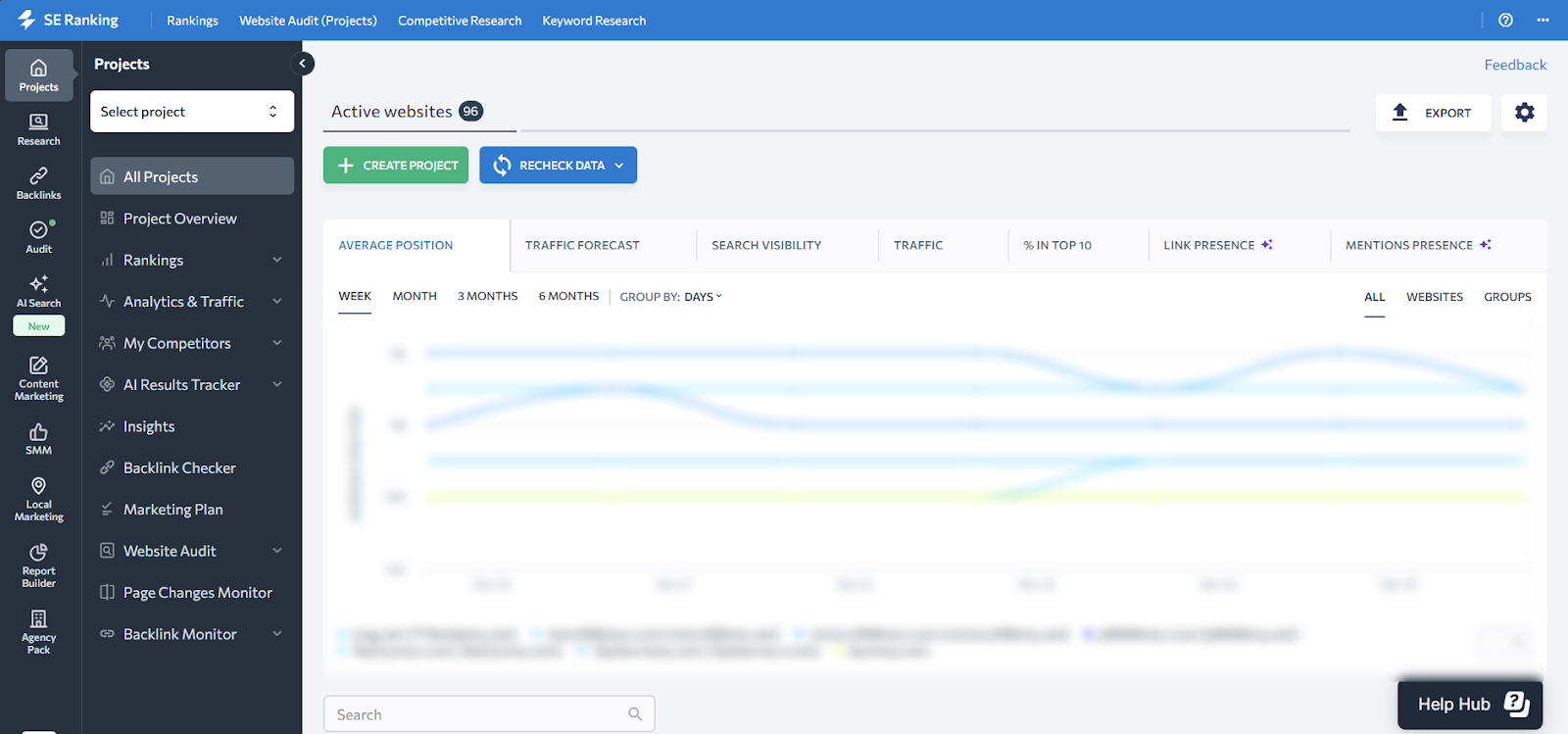
Tracking changes in keyword positions helps you spot trends early, such as a drop in performance after an algorithm update.
Don’t stop at keyword tracking.
Review how your business ranks across different ZIP codes or neighborhoods to ensure your optimization covers the areas that actually bring customers.
Compare rankings with competitors.
If they outrank you consistently, look at their on-page content, reviews, or backlinks to identify what might influence their higher positions.
Metric
What It Shows
Why It Matters
Local keyword position
Visibility for specific terms
Indicates how your business appears to local searchers
Map pack presence
Frequency in Google’s top 3 local results
Strong driver of website visits and calls
Review volume and rating
Reputation strength
Impacts local ranking signals and trust
Analyzing Website Traffic
Website traffic gives you a broader view of how users find and engage with your business online.
Focus on organic traffic trends in tools like Google Analytics and Search Console. Here’s an example from our own site:
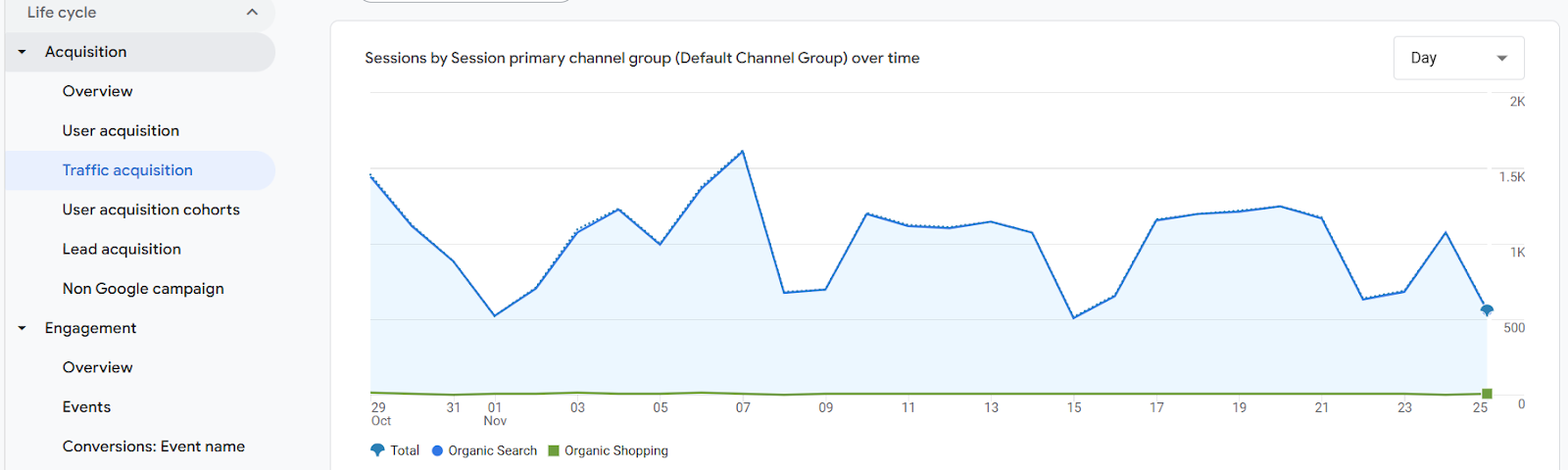
This shows how many people land on your site through unpaid search and which pages drive that traffic.
Segment your data by channel—organic, referral, paid, and direct—to confirm that SEO, not ads, fuels growth.
Watch metrics such as bounce rate, time on page, and conversion rate.
These numbers help you measure traffic quality, not just quantity.
Look for patterns. A sudden drop in organic sessions can point to indexing issues or technical errors.
Increasing visits from specific search queries can guide new content ideas.
When tracked regularly, traffic metrics give small businesses the clarity to refine their SEO strategy and direct effort where it produces the highest returns.
These 10 Guiding Tips Are Guaranteed to Improve SEO for Small Business
It can be a little daunting to tackle your SEO as a small business, especially when you may not have the spare time to learn from scratch.
These tips have been curated for readers like you to give a headstart in reaching your audience.
1. Conduct Thorough Local Keyword Research
You need to understand what your potential customers are typing into search engines when they look for services like yours.
Local keyword research helps you identify these terms so your small business can appear in search results that actually convert into visits or sales.
Start by listing the core services or products you offer, then combine them with your city or neighborhood name.
Use keyword research tools such as Google Keyword Planner, Ahrefs, or Google Trends to see search volumes and variations.
Pay attention to phrases that include “near me” or specific landmarks (e.g. “klcc”), as they often indicate strong local intent.
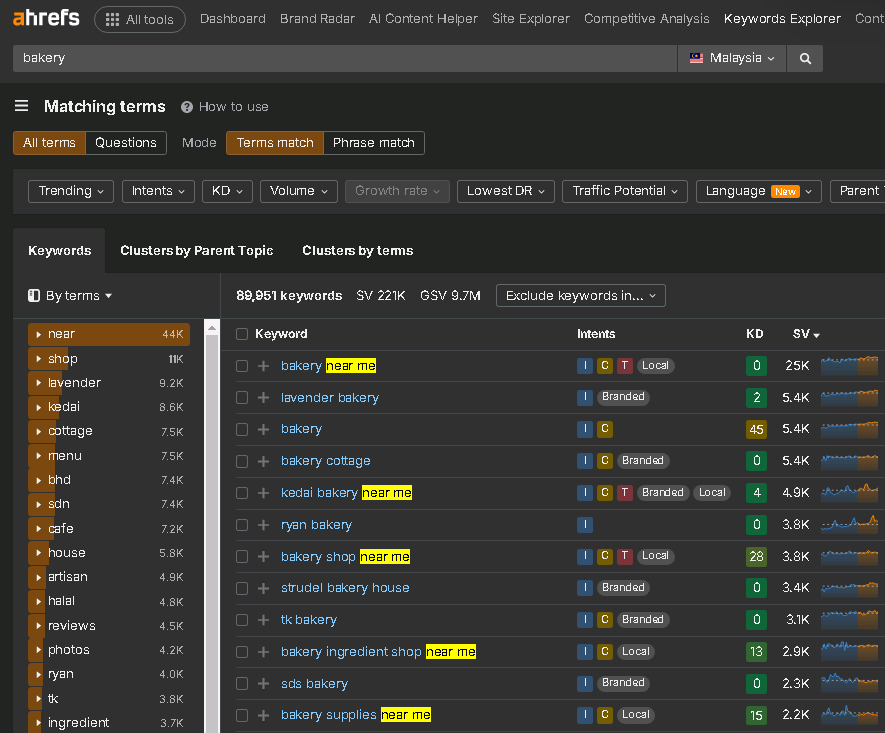
Look at what terms competitors rank for.
Their websites can show you gaps or opportunities in your local SEO strategy.
I’ve seen small businesses outperform larger brands by targeting niche phrases, such as “eco-friendly dry cleaner in uptown damansara”, instead of broad keywords.
Once you have a list, group them by relevance and use them naturally in your website titles, headings, and page content.
This signals to search engines—and potential customers—that you’re the right choice in their area.
2. Optimize Google Business Profile
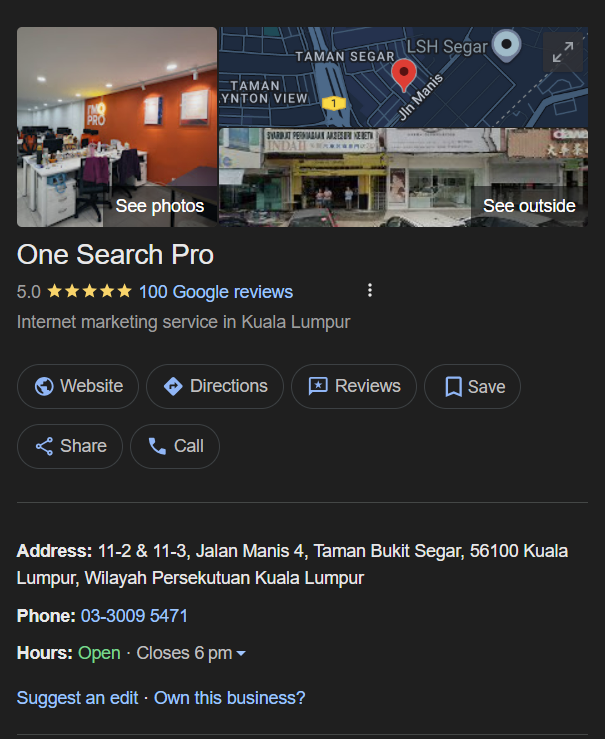
Your Google Business Profile plays a major role in how customers find you online.
When people search for local services, Google often displays profiles before websites.
A complete and accurate listing can help your business appear in the local pack—those top map results that get most of the clicks.
Start by verifying ownership of your profile.
Ensure your business name, address, and phone number are consistent with what appears on your website and social media.
Even small discrepancies can confuse Google’s algorithm and lower visibility.
Use high-quality photos of your products, team, or storefront. Fresh images signal that your business is active and trustworthy.
Add relevant categories and descriptive text that reflect your services clearly.
Encourage customers to leave genuine reviews and respond to them regularly.
Reviews influence ranking and build credibility faster than ads ever could.
Posting short updates or promotions through the profile also helps signal engagement to Google.
It’s easy to overlook, but the Google Business Profile is one of the most effective local SEO tools available.
Managing it thoughtfully can improve your visibility, boost trust, and bring more targeted visitors straight to your door.
3. Create Location-specific Landing Pages
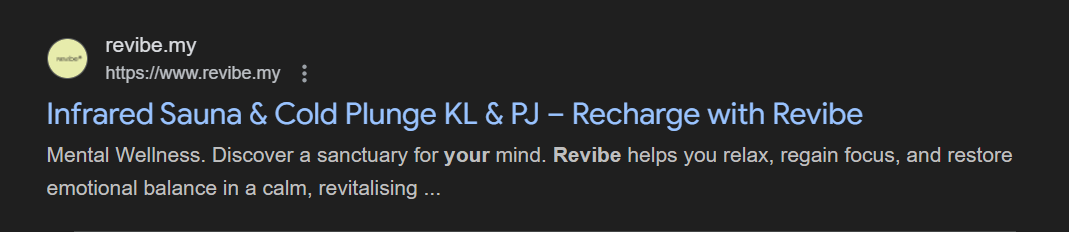
Your potential customers often search for services or stores close to them.
Location-specific landing pages help your business show up in those local searches by tailoring content to each city or area you serve.
Each page should have accurate details like your business address, phone number, and hours to build trust and visibility.
Use local keywords that reflect how people in that area search online.
For example, if you own a cleaning service in Austin, include phrases like “home cleaning services in Austin” throughout the page in a natural way.
This helps search engines connect your business with that location.
Keep each page unique. Simply copying and swapping city names can hurt your rankings.
Instead, make small adjustments that reflect the local context, such as nearby landmarks, customer reviews from that area, or community involvement.
These touches make the page more relevant and genuine to local visitors.
4. Use Schema Markup for Local SEO
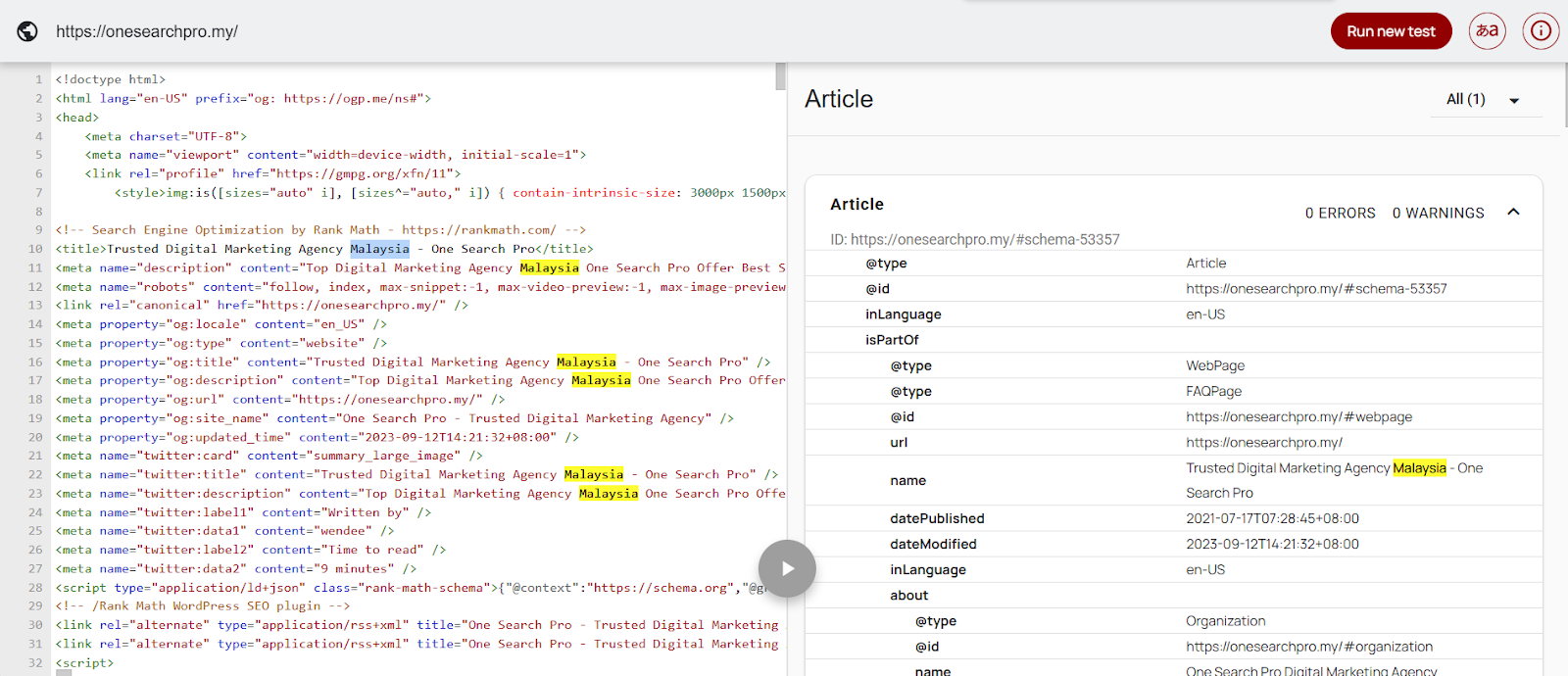
You can help search engines understand your business better by adding structured data, also called schema markup, to your website.
This code tells Google key details such as your business name, address, phone number, hours, and service areas.
When that information appears correctly in search results, potential customers find what they need faster.
For most small businesses, the LocalBusiness schema is the place to start.
It improves the odds of showing up in local map packs or knowledge panels.
Tools like Google’s Structured Data Markup Helper or plugins in WordPress—such as Rank Math Pro, Schema Pro, or Yoast Local SEO—can generate the code for you.
Insert the markup into your homepage or contact page and test it with Google’s Rich Results Test.
Even minor errors can block eligibility for enriched listings.
Once it’s live, monitor performance in Search Console to confirm that Google recognizes it.
When used correctly, schema markup strengthens your local visibility, builds trust, and can subtly increase click-throughs.
It’s a technical step that pays off for small businesses aiming to stand out in crowded local search results.
5. Build Citations on Local Directories
Your business gains trust when its name, address, and phone number—often called NAP—appear consistently across reputable directories.
Search engines use these listings to confirm your business information and improve local search visibility.
Start by listing your business on well-known platforms like Google Business Profile, Yelp, Bing Places, and industry-specific directories.
Consistent details across all profiles help prevent confusion for customers and search engines alike.
If your NAP varies from one site to another, local rankings can suffer. Keep each listing complete and accurate.
Include your website, business hours, and category, and maintain updated information as your business evolves.
Think of this as an ongoing process rather than a one-time project.
I’ve seen small businesses miss opportunities because they left old phone numbers or closed locations on public listings.
You can avoid those setbacks by performing a quick citation check every few months.
It takes little time but helps maintain a professional online presence and stronger local visibility.
6. Generate and Manage Customer Reviews

Customer reviews influence both search visibility and buyer trust.
Search engines use them as social proof of credibility, and consistent feedback signals activity around your brand.
For a small business, this can make a measurable difference in local rankings.
Encourage satisfied customers to share their experiences on Google, Yelp, or industry-focused platforms.
Ask shortly after a positive purchase interaction, when your business is fresh in their mind.
Even a small number of genuine, high-quality reviews can boost your reputation more than a flood of generic ones.
Monitor and respond to reviews quickly.
Thank customers for positive feedback and address issues raised in negative comments to show accountability.
Structured management tools like those highlighted in business software reviews can help you track ratings and analyze trends across multiple platforms.
Finally, make review generation an ongoing process, not a one-time push.
Keep the tone authentic, avoid incentives that break platform guidelines, and use customer feedback to refine your services.
The more transparent and consistent you are, the more trust and visibility you’ll earn over time.
7. Optimize Website for Mobile Devices
Your audience spends more time on mobile devices than on desktops, so your site must perform smoothly on smaller screens.
A responsive design that adapts to different screen sizes is the first step.
Pages should load quickly, buttons must be easy to tap, and text should be readable without zooming.
You can’t ignore Google’s mobile-first indexing.
The search engine evaluates your site’s mobile version to determine its rankings.
If your site functions poorly on phones, it can hurt visibility and user satisfaction.
Focus on clean layouts and minimal pop-ups.
When I’ve tested client sites, removing intrusive overlays often led to longer visit times and higher conversions.
A simple design helps users focus on your content instead of fighting cluttered navigation. Finally, test your site across devices and browsers.
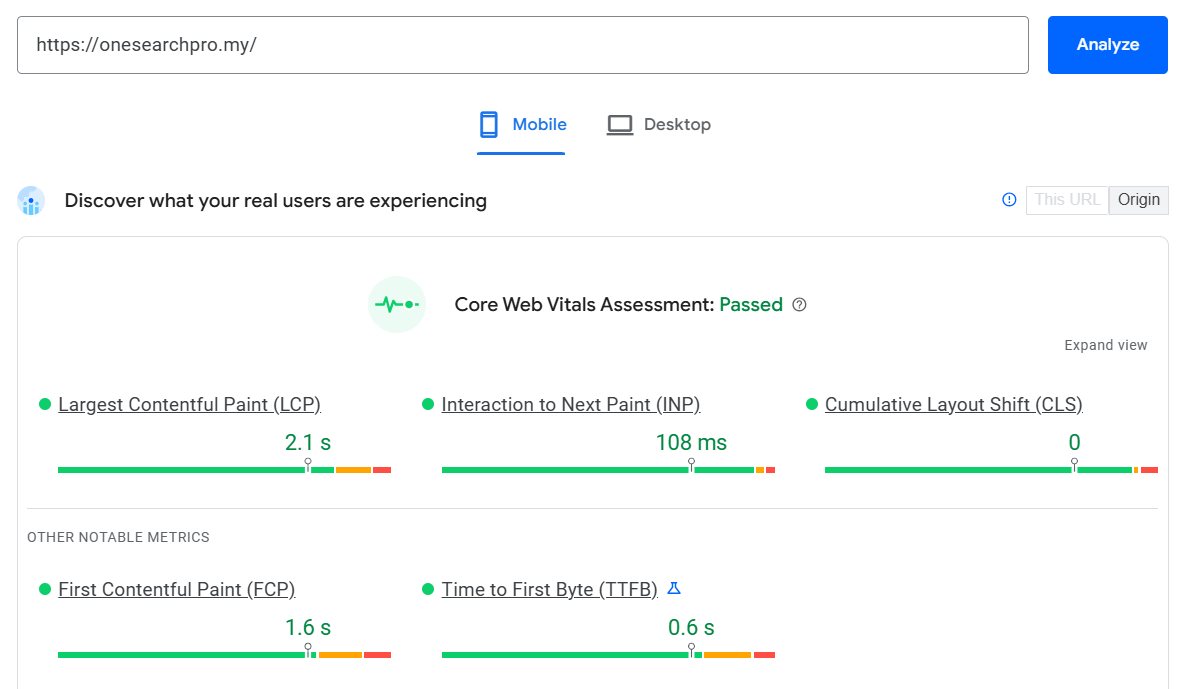
Tools like Google’s Mobile-Friendly Test reveal display issues and speed bottlenecks.
Regular monitoring ensures that as mobile trends evolve, your site keeps providing a smooth and accessible experience for every visitor.
8. Improve Site Loading Speed
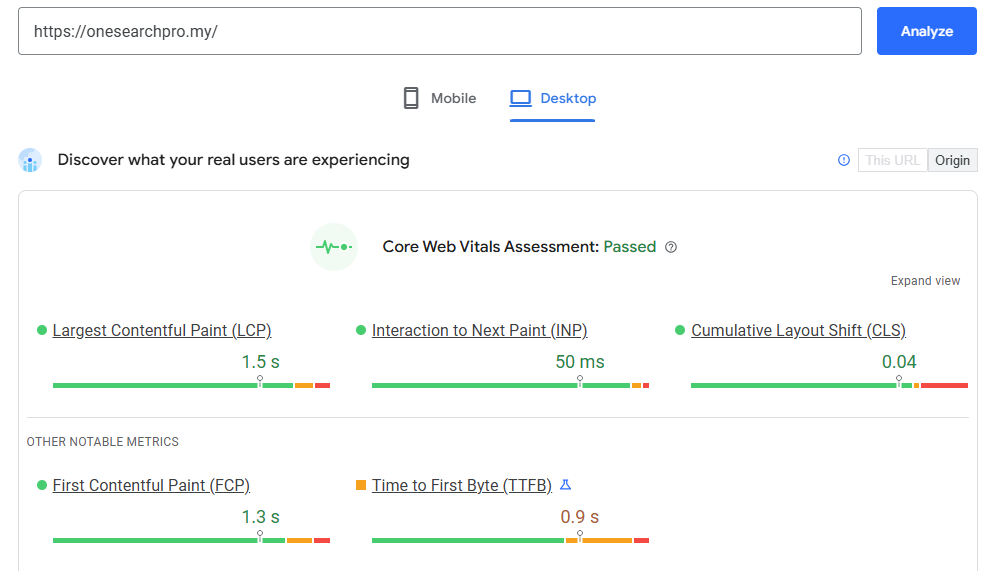
You really can’t brush off how quickly your website loads. If your site is slow, visitors leave, and your search rankings take a hit.
Search engines like Google pay a lot of attention to speed. Nobody wants to wait forever for content to show up.
Start by tackling your images. Compress them, but don’t let the quality tank—there’s a balance.
WebP usually beats JPEG or PNG for most modern browsers, so it’s worth a try.
Also, minify your CSS, JavaScript, and HTML. Cutting out the extra fluff helps your site load faster.
Set up browser caching and consider using a content delivery network (CDN).
These tools get your pages to users faster, especially if they’re scattered across different regions.
Just enabling caching on a client’s site has shaved off a few seconds for me before. It’s such a simple win.
Don’t forget to test your site regularly. Tools like Google PageSpeed Insights or GTmetrix are super handy for this.
Keeping up with these tweaks not only helps your SEO—it also just makes your site feel more legit and trustworthy.
9. Publish Relevant, High-quality Content Regularly
If you want to strengthen your online presence, share content that your audience actually cares about.
Consistent updates show search engines your site’s alive and worth trusting.
Lean on your expertise to answer real questions in your niche.
For example, a local bakery could post quick tips on keeping bread fresh or even share behind-the-scenes peeks at seasonal recipes.
These little posts help you build authority and connect with people who care about what you do.
Quality should always come first. If you’re churning out low-effort content, users will notice, and they won’t stick around.
Write clearly, focus on solving real problems, and skip the filler. Structure matters, but don’t get lost in it.
It also helps to set a publishing schedule you can actually stick to. Even one solid article a week—or a month—can do more than a bunch of forgettable posts.
Make use of tools for SEO content analysis in order to best match user search intent with content.
In the long run, regular, relevant content is what drives better rankings, more traffic, and a brand people actually remember.
10. Leverage Social Media for Brand Awareness
Social media’s a big deal for getting your business noticed. When you post valuable stuff regularly, people start to see your brand as credible—maybe even interesting.
Every like, share, or comment nudges your reach a bit further. It’s subtle, but search engines pick up on those signals too.
You don’t have to be everywhere at once. Pick the platforms where your people actually hang out.
For most small businesses, that usually means Facebook, Instagram, or LinkedIn.
Use these to share updates, highlight testimonials, or just show what goes on behind the scenes. It makes your brand feel more human.
Don’t just broadcast—invite engagement. Ask questions, reply to comments, and have real conversations.
Sometimes a genuine back-and-forth does more for trust than the fanciest ad campaign.
Use links smartly. When you share your blog posts or product pages on social channels, you’re creating little trails back to your website.
Unfamiliar with the game? Make thorough use of social media marketing tools to help drive your content forward.
Over time, these small moves add up. They boost brand recognition and help search engines see you as relevant—which is exactly what you want for SEO.
Conclusion
Search engine optimization gives your small business a fair shot at competing with bigger brands.
It’s not magic, but it does level the playing field a little.
When you focus on improving your site’s structure, speed, and content relevance, search engines tend to reward that effort.
Better visibility doesn’t come overnight, but it does come—if you stick with it.
Consistency matters more than chasing quick results. That’s the toughest part for most folks.
To actually see progress, you’ll want to track your keyword rankings and visitor behavior.
Tools like Google Search Console? They’re your best friend here.
If you’re aiming for long-term traffic growth, it’s smarter to build content that really serves user intent. Don’t fall for those short-term tricks—they rarely last.
A well-maintained SEO strategy just keeps getting better over time. It kind of snowballs, in a good way.
Here is a practical reminder:
Key Step
Purpose
Keyword Optimization
Match your content with what your audience searches for
On-Page SEO
Improve readability and search crawlability
Link Building
Strengthen site authority through credible references
Performance Tracking
Measure outcomes and refine your approach
You can handle a lot of these tasks on your own.
But sometimes, teaming up with an expert agency can help you move faster and avoid rookie mistakes.
We at One Search Pro support your company with tailored strategies that go way beyond just SEO.
We’re talking content, social media, ads, web design – a full digital marketing suite. You only need to contact us for more information on our packages.
This kind of customized support lets you reach your audience more effectively, no matter your business size or budget.
SEO shouldn’t feel like a lonely, isolated project.
It really works best when you mix it up with other digital marketing efforts that fit your brand goals.
So, take action on what you’ve learned. That’s how you build a stronger online presence—and a steadier flow of leads from organic search.